I Read a Lot of Books

By Stephen Casimiro

All books / Subject

the mind

MY REVIEWS / 38

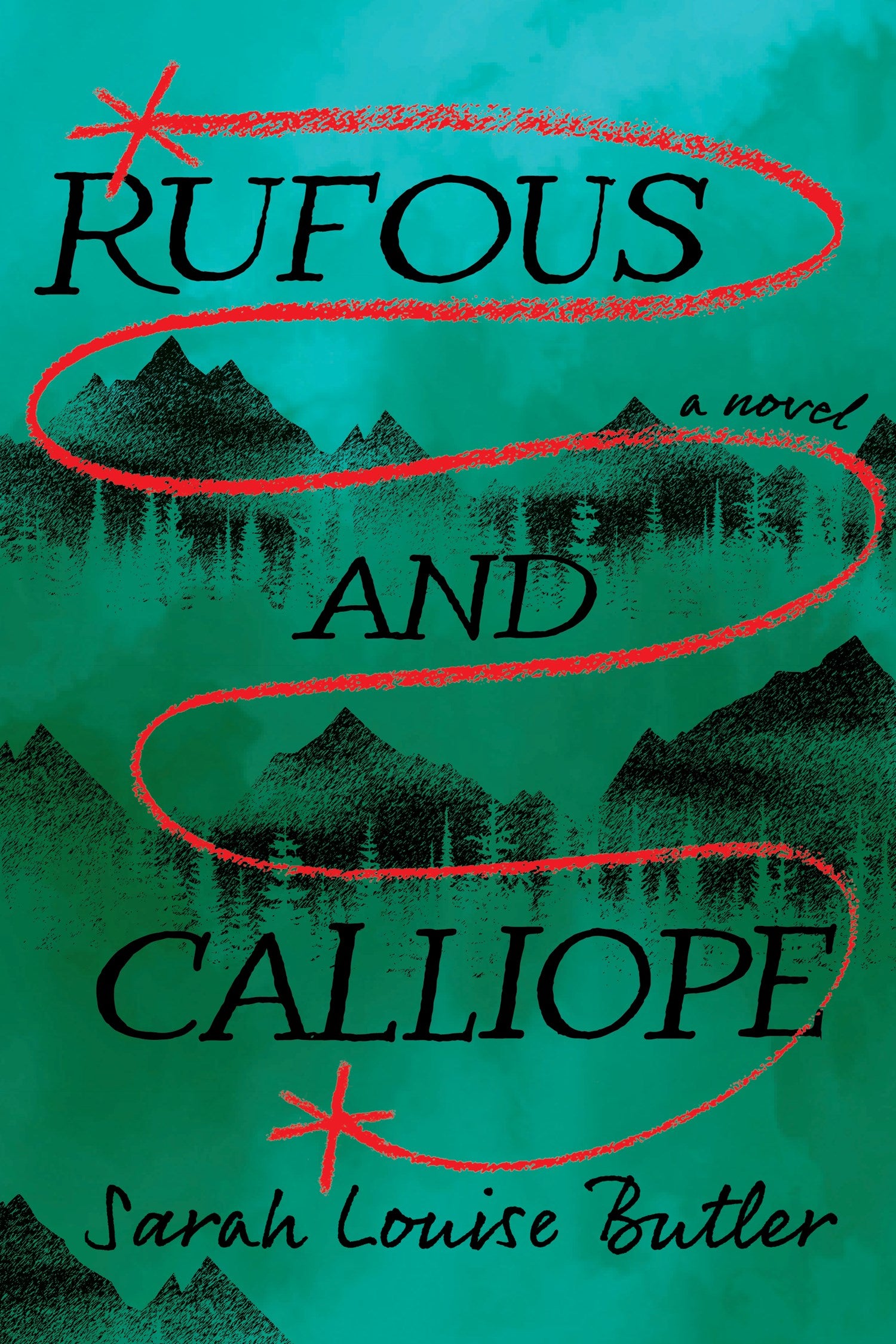
Rufous and Calliope

Sarah Louise Butler

British Columbia writer Sarah Louise Butler, who’s based in the West Kootenay Mountains, carries protagonist Rufous across two timelines, opening with him at age five, the youngest of five siblings living ferally in a secret treehouse in the woods, and…
Read my review
Rufous and Calliope

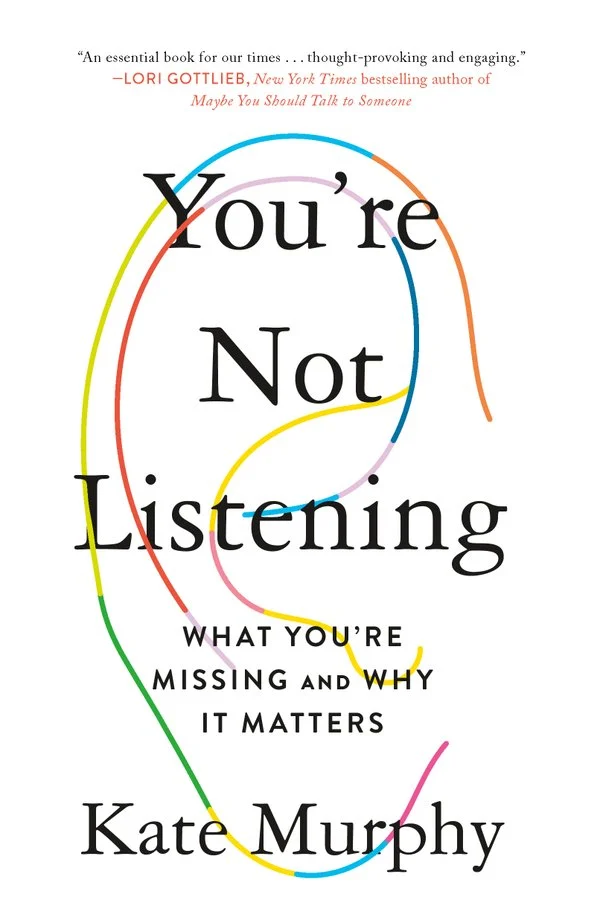
You’re Not Listening

Kate Murphy

I can’t claim to be a good listener, but I’m a better one after reading this book, which I revisit once a year as a refresher. Kate Murphy is a reporter and listening is her job, and for this project…

Read my review
You’re Not Listening

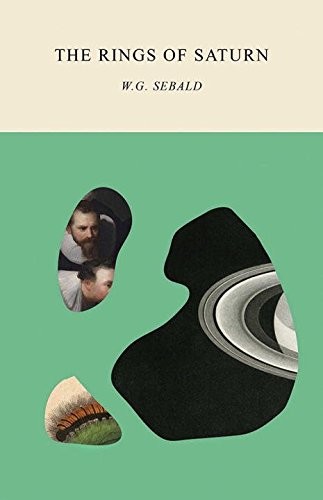
The Rings of Saturn

W.G. Sebald

A man walks the coast of Suffolk, England, and the walk keeps opening into other things: a skull, a herring fishery, Thomas Browne’s missing remains, the silk trade, Joseph Conrad in the Congo, the Taiping Rebellion, a collapsing country house…

Read my review
The Rings of Saturn

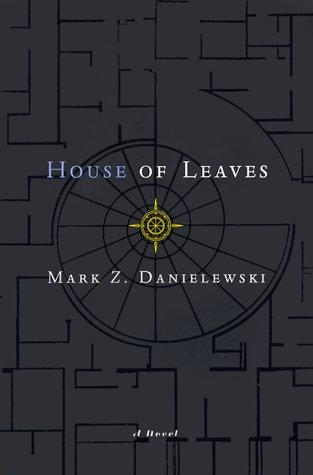
House of Leaves

Mark Z. Danielewski

A family moves into a house in the Virginia countryside and finds a closet where there wasn’t one, then a hallway, and then they measure the place and discover the inside is a quarter inch bigger than the outside. The…

Read my review
House of Leaves

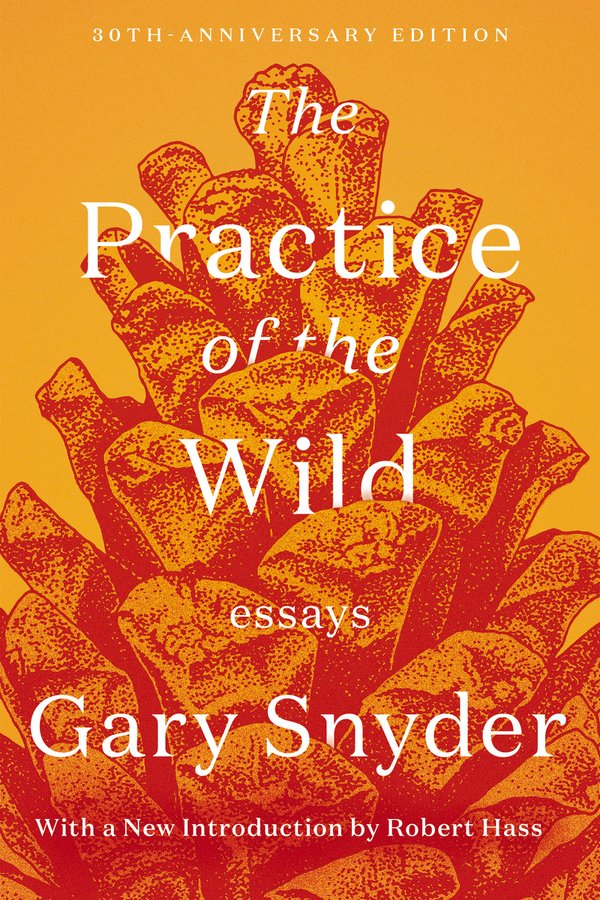
The Practice of the Wild

Gary Snyder

Over nine essays, Gary Snyder strives to separate wilderness from wildness. Wilderness is a legal designation; wildness is a quality of self-organizing process, present in an old-growth forest and equally in your own body and in language. He writes about…

Read my review
The Practice of the Wild

Woolgathering

Patti Smith

Punk poet and musician Patti Smith wrote this in her forties. It’s a short book about being a child in southern New Jersey, wandering the fields behind the house, picturing woolgatherers she moving through them at dusk, and there’s a…

Read my review
Woolgathering

The Essence of Shinto

Motohisa Yamakage

Yamakage was a Shinto priest from a line going back generations, and this is his explanation of it for outsiders. Kami are presences, not deities. Purification is the central practice and matters more than belief. He walks through the ceremonies…

Read my review
The Essence of Shinto

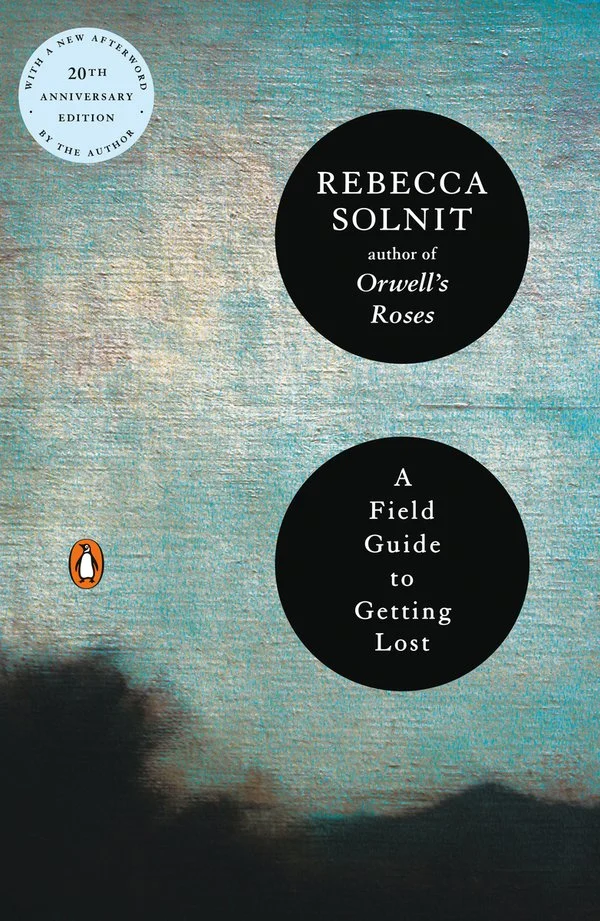
A Field Guide to Getting Lost

Rebecca Solnit

Rebecca Solnit built this out of nine essays circling a single idea, which she takes from a line she found in Plato’s Meno dialogue: How do you go looking for something when you don’t know what it is? Four of…

Read my review
A Field Guide to Getting Lost

Sand Talk

Tyson Yunkaporta

Yunkaporta is an Apalech man from far north Queensland and also an academic, and the book asks what Indigenous thinking has to say about global systems — not as culture but as method. Each chapter starts with a symbol he…

Read my review
Sand Talk

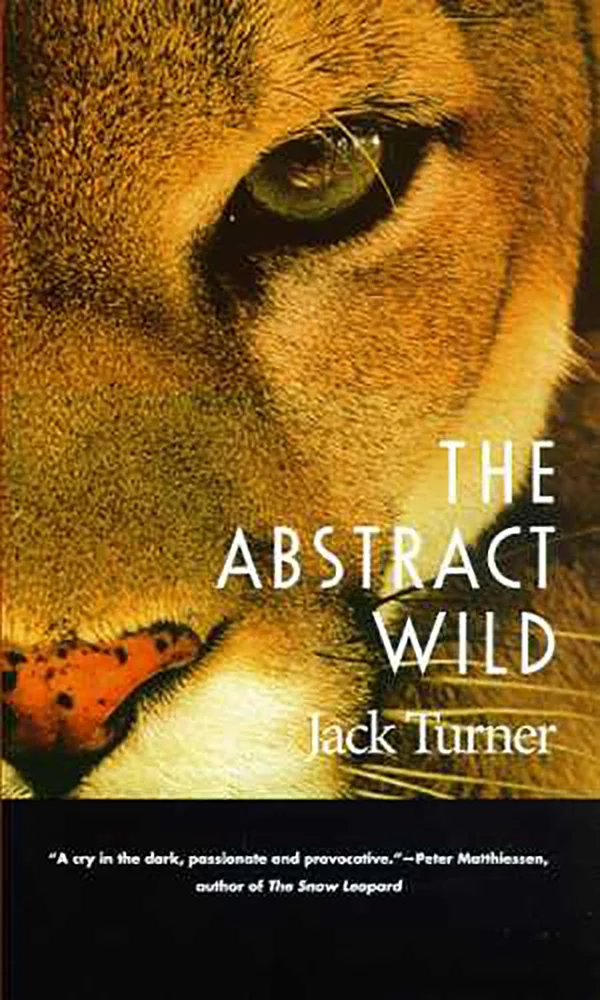
The Abstract Wild

Jack Turner

Jack Turner spent decades guiding in the Tetons and this strident book stems directly from it. His argument is that we’ve replaced actual wild experience with representations of it — nature documentaries, photographs, managed parks, permits, interpretive signs — and…

Read my review
The Abstract Wild

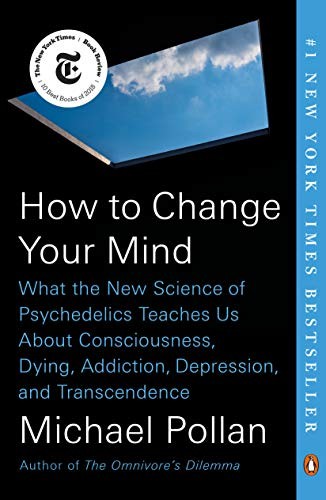
How to Change Your Mind

Michael Pollan

University of California, Berkeley journalism professor Michael Pollan came to psychedelics late. In his sixties, he took LSD, psilocybin, and 5-MeO-DMT under the guidance of professionals so he could report from inside the experience. Then he builds the recent history…

Read my review
How to Change Your Mind

The Diary of Anaïs Nin, Volume 1

Anaïs Nin

Set in Paris, 1931 to 1934. Nin is in her late twenties, married to a banker, in analysis, and just beginning to write, and the diary is her real work. This is the volume where she meets Henry Miller and…

Read my review
The Diary of Anaïs Nin, Volume 1

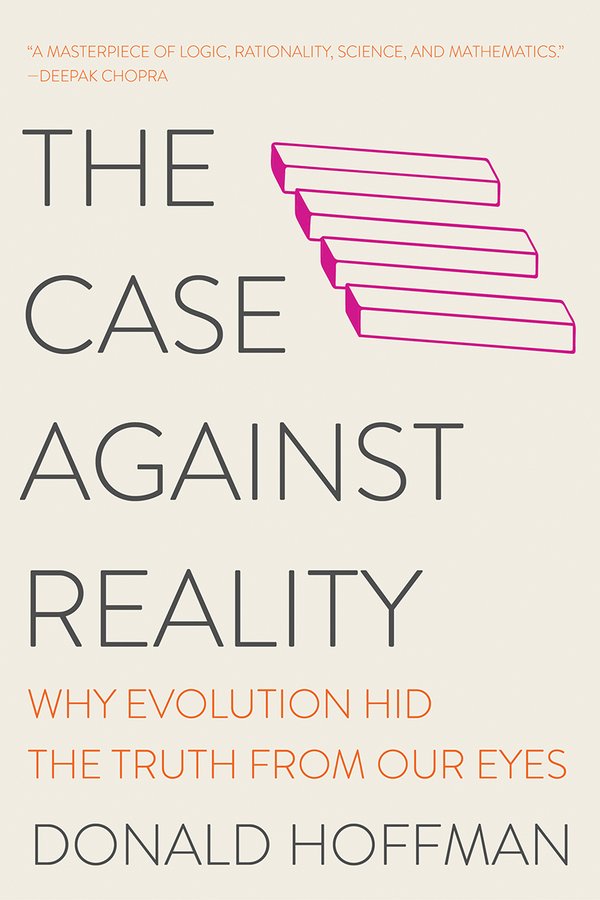
The Case Against Reality

Donald D. Hoffman

Donald Hoffman is a cognitive scientist who ran evolutionary simulations and got a result he didn’t like: Organisms that perceive reality accurately lose to organisms that perceive fitness payoffs instead. His conclusion is that space, time, and objects are a…

Read my review
The Case Against Reality

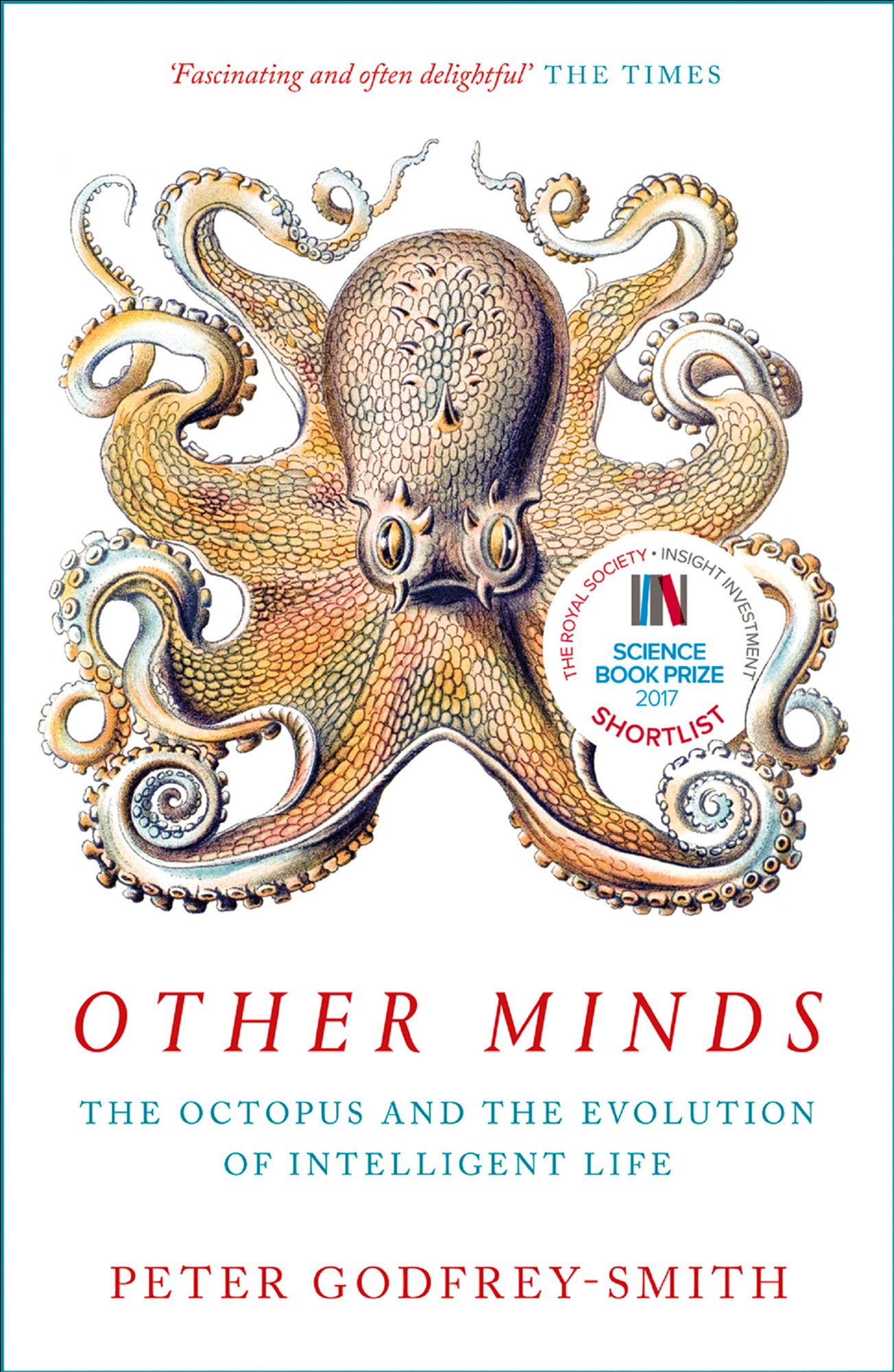
Other Minds

Peter Godfrey-Smith

Our last common ancestor with an octopus was a flattened worm about six hundred million years back, which makes them the closest thing to meeting an intelligent alien on this planet. Peter Godfrey-Smith is a philosopher and a scuba diver…

Read my review
Other Minds

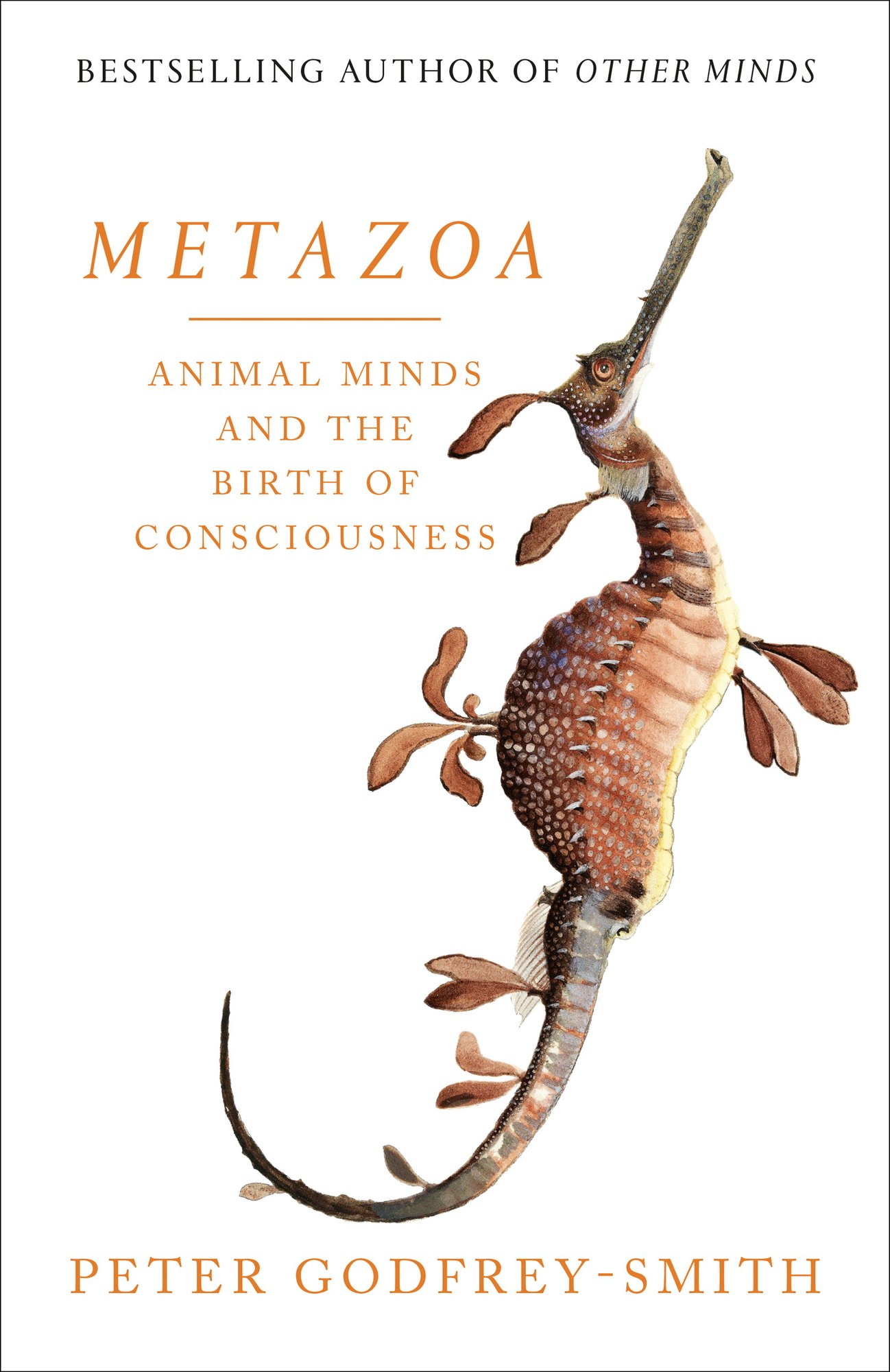
Metazoa

Peter Godfrey-Smith

Peter Godfrey-Smith’s Other Minds centered on the octopus; this book is everybody else. He climbs up the animal tree looking for where subjective experience begins. There are sponges with no neurons at all, then corals, then a shrimp that stuns…

Read my review
Metazoa

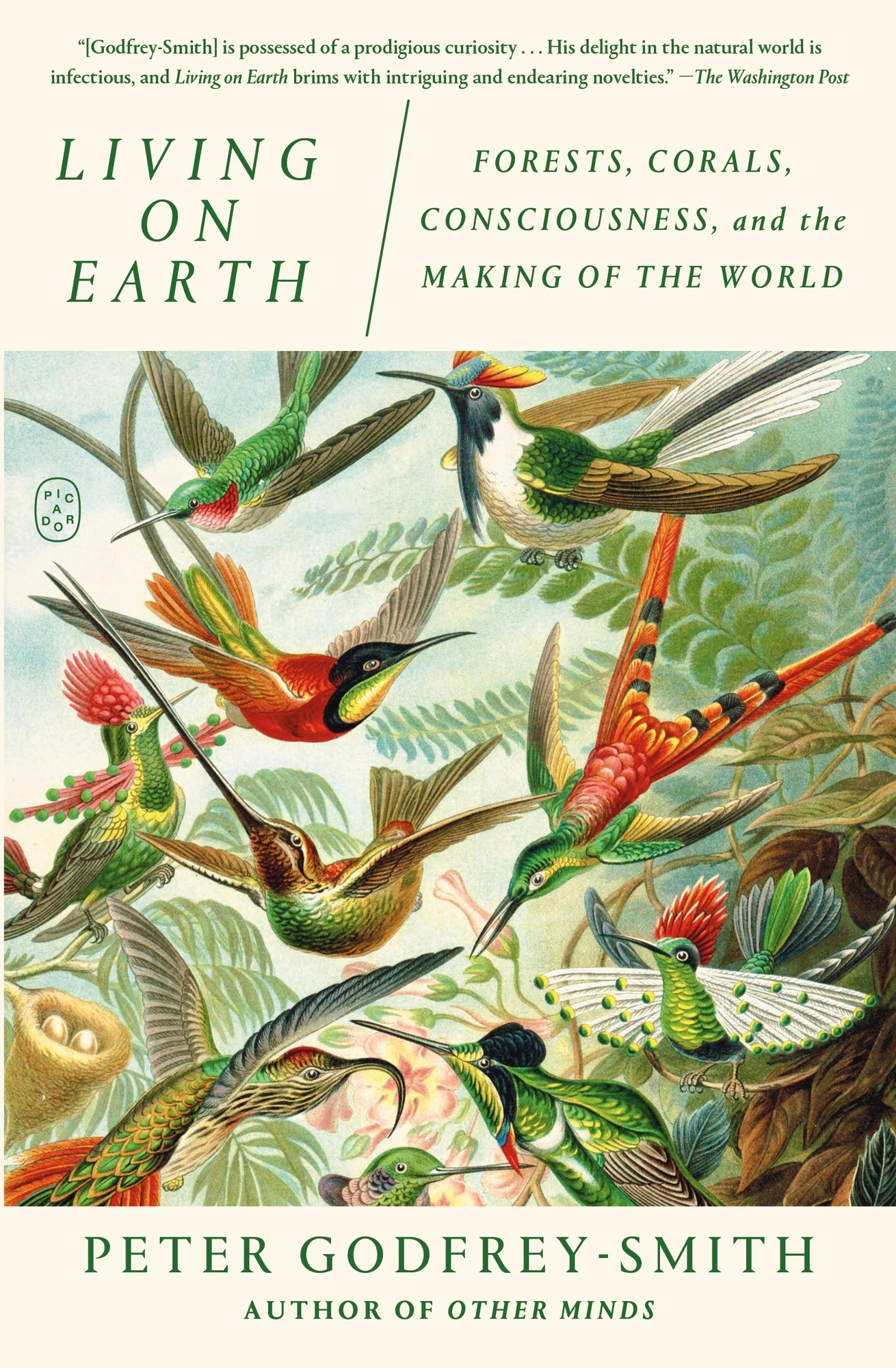
Living on Earth

Peter Godfrey-Smith

Third in the run of books that started with Other Minds, and this one widens out from mind to nothing less than the whole planet. Peter Godfrey-Smith’s subject is action — how living things reshape the world, from bacteria…

Read my review
Living on Earth

Then I Am Myself the World

Christof Koch

Christof Koch spent decades at Caltech hunting the neural correlates of consciousness with Francis Crick, and this is his case for integrated information theory — the idea that consciousness is a measure of how much a system’s parts inform each…

Read my review
Then I Am Myself the World

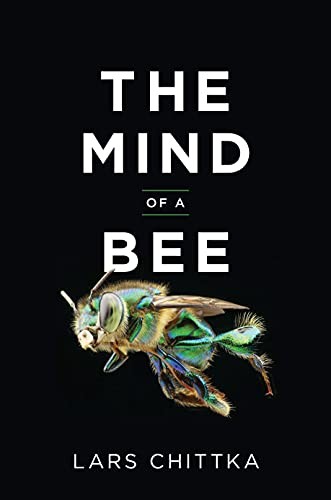
The Mind of a Bee

Lars Chittka

Lars Chittka has spent his career designing experiments for bees, with astounding results. Bees count. They recognize human faces. They learn to roll a ball into a goal for a sugar reward by watching another bee do it, then improve…

Read my review
The Mind of a Bee

A Natural History of the Senses

Diane Ackerman

Diane Ackerman is a poet who reports like a naturalist, and she built this as five long sections, one per sense, with a short final piece on synesthesia. She starts with smell because it is the oldest sense and the…

Read my review
A Natural History of the Senses

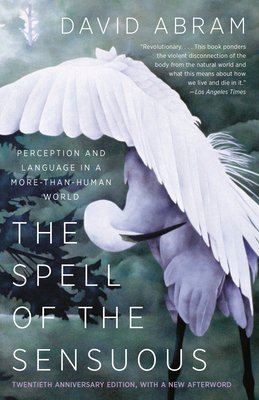
The Spell of the Sensuous

David Abram

This is Abram’s first book and the argument the rest of his work rests on. He apprenticed himself to traditional healers in Indonesia and Nepal, expecting to talk about magic and found their real work was keeping relations square with…

Read my review
The Spell of the Sensuous

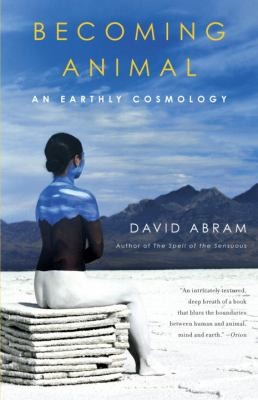
Becoming Animal

David Abram

David Abram put himself through school doing card tricks and ended up hanging around traditional healers in Indonesia and Nepal. He figured they’d talk shop about magic. Instead, he found most of their real work had nothing to do with…

Read my review
Becoming Animal

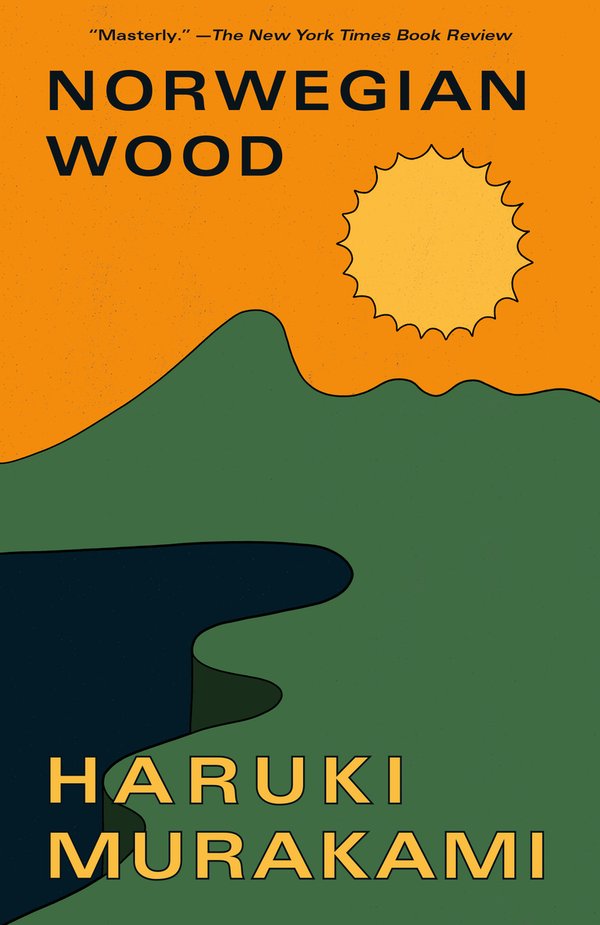
Norwegian Wood

Haruki Murakami

Toru Watanabe hears a Beatles song on a plane and is thrown back to 1969, to a Tokyo university, and to two women. Naoko was his dead best friend’s girlfriend, fragile and receding into a sanatorium in the hills. Midori…

Read my review
Norwegian Wood

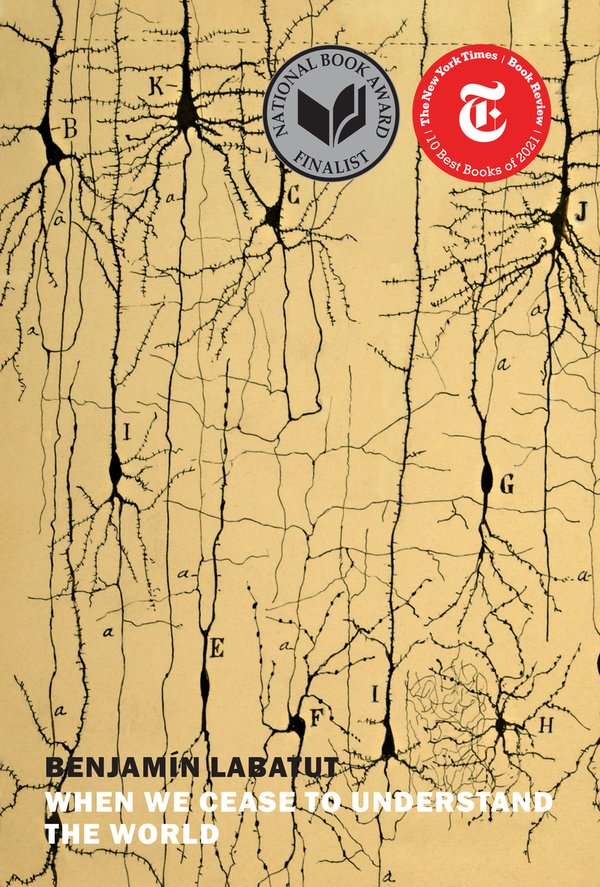
When We Cease to Understand the World

Benjamín Labatut

These are five linked pieces that start as history and slide into fiction without telling you where the line is. Fritz Haber pulls nitrogen out of the air, feeds the world, and invents chemical weapons. Schwarzschild solves Einstein’s equations in…

Read my review
When We Cease to Understand the World

Death Valley

Melissa Broder

A woman drives out of Los Angeles to a Best Western in the high desert, supposedly to work on her novel, but actually to get away from her father, who’s been in the ICU for months and died and been…

Read my review
Death Valley

Get my newsletter

Field Notes from a Very Cool World.

Generally monthly. I hope the title says it all.