Here’s my take on some of them.
RANDOMLY SELECTED BOOKNESS

River of Doubt
Candice Millard
Despite his well-document edtrack record of pushing beyond his physical limits and emerging from life-threatening situations mostly unscathed, Theodore Roosevelt’s journey through uncharted regions of the Amazon almost broke him. What started as a comically arrogant march through the jungle…
Get my newsletter
Field Notes from a Very Cool World.
Generally monthly. I hope the title says it all.
MY LISTS

MY REVIEWS / 500
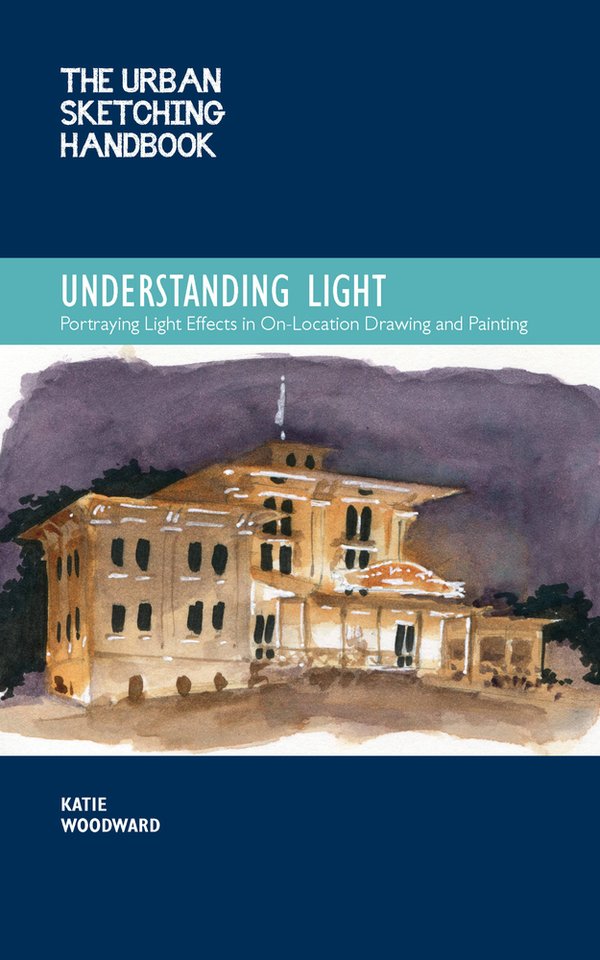
The Urban Sketching Handbook: Understanding Light
Katie Woodward
Light is what makes a sketch, and this is the volume about it. Katie Woodward works through value structure first — squinting to reduce a scene to three or four tones — then the direction and quality of light, cast…
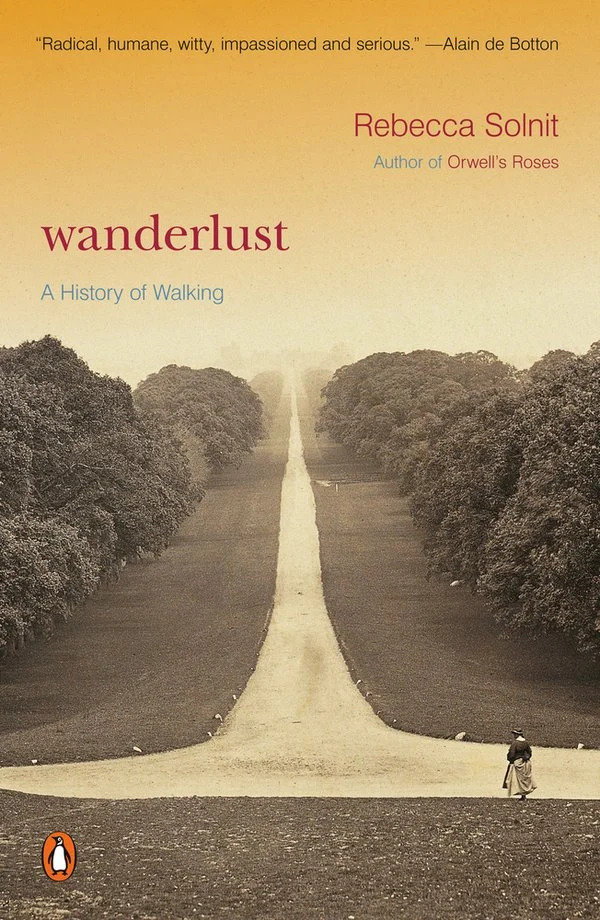
Wanderlust: A History of Walking
Rebecca Solnit
This is walking as a subject with a history. Rebecca Solnit writes from bipedalism through the peripatetic philosophers, the invention of the country walk as recreation, Wordsworth and the Romantics, pilgrimage, the labyrinth, mountaineering, the flâneur, protest marches and the…
What It’s Like to Be a Bird
David Allen Sibley
David Allen Sibley drew the definitive field guides, and this is the opposite of a field guide. It’s a big book of large paintings with the answers to the questions you really ask. Why do birds stand on one leg?…

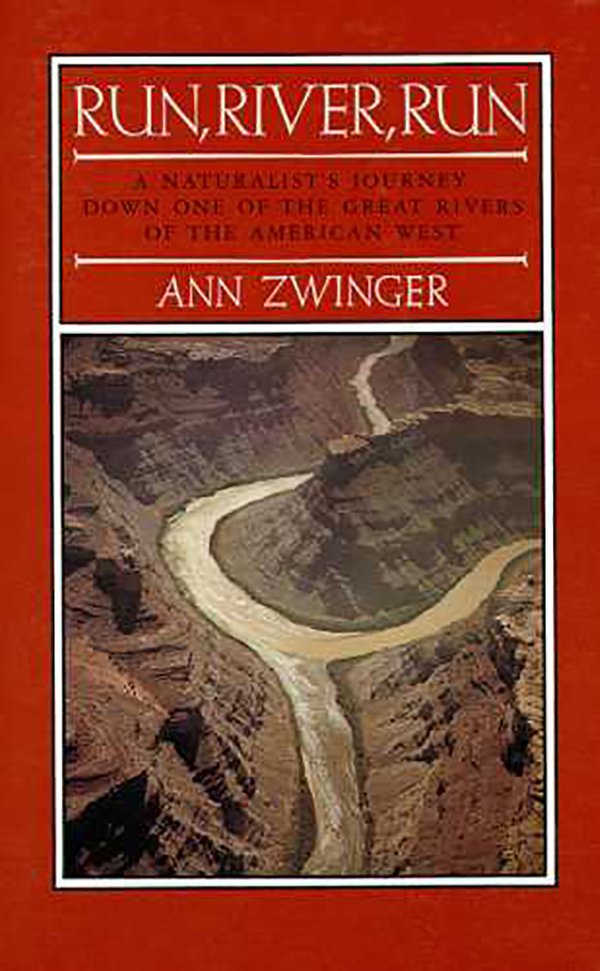
Run, River, Run
Ann Zwinger
Ann Zwinger ran the Green River from its source in the Wind River Range down to its confluence with the Colorado — by kayak, raft, and on foot — and wrote the whole river as a naturalist. She covers the…
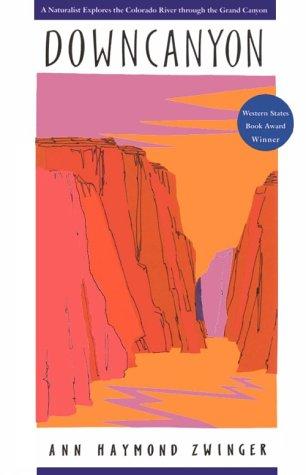
Downcanyon
Ann Zwinger
Ann Zwinger went down the Colorado through the Grand Canyon over and over, in every season and just about every kind of boat, usually tagging along with scientists doing river studies. She calls herself an observer at the river’s brim…
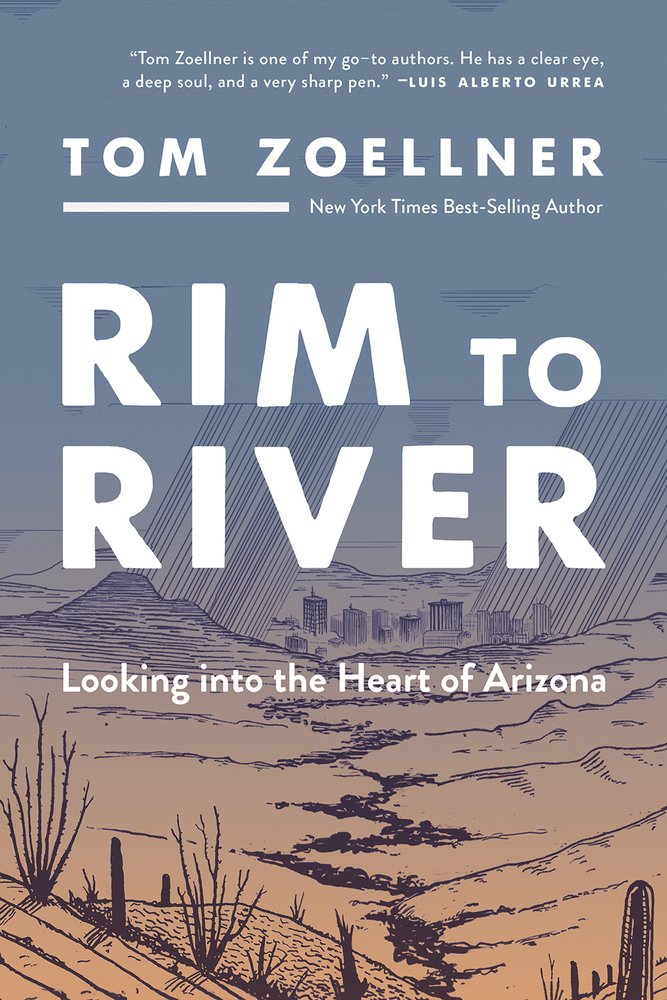
Rim to River
Tom Zoellner
Tom Zoellner walked eight hundred miles across Arizona, roughly on a diagonal, and used the walk to understand the state he grew up in. Chapters alternate between the trail — heat, water, private land, dogs, the people who pick up…
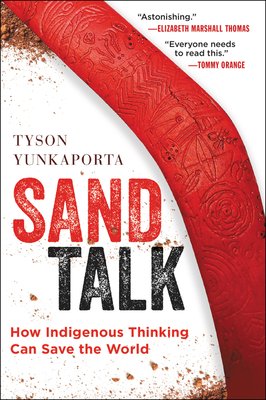
Sand Talk
Tyson Yunkaporta
Yunkaporta is an Apalech man from far north Queensland and also an academic, and the book asks what Indigenous thinking has to say about global systems — not as culture but as method. Each chapter starts with a symbol he…
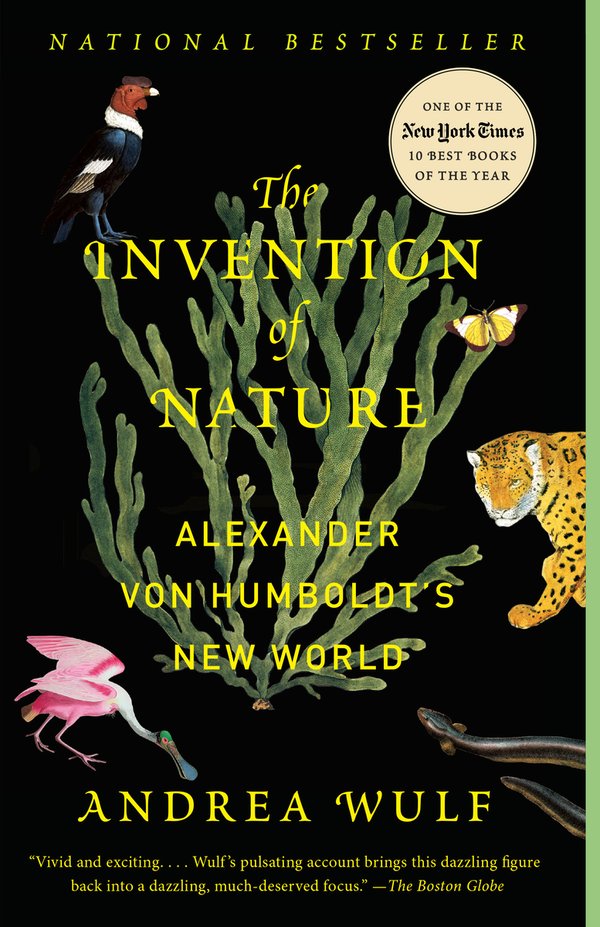
The Invention of Nature
Andrea Wulf
Alexander von Humboldt was the most famous scientist in the world in his lifetime and is now mostly a list of place names. Wulf brings him back: Five years in South America, climbing Chimborazo higher than anyone had gone, and…
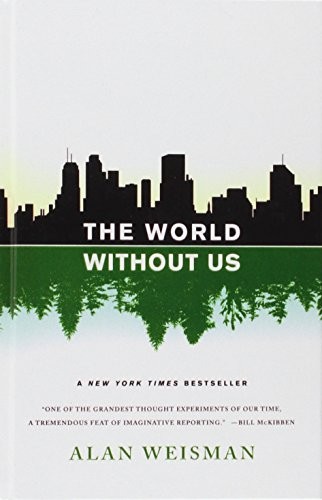
The World Without Us
Alan Weisman
Alan Weisman asks what happens if every human disappears tomorrow and reports it by talking to the engineers and biologists who know. New York floods in two days once the pumps stop; the subways go first, then the streets collapse…
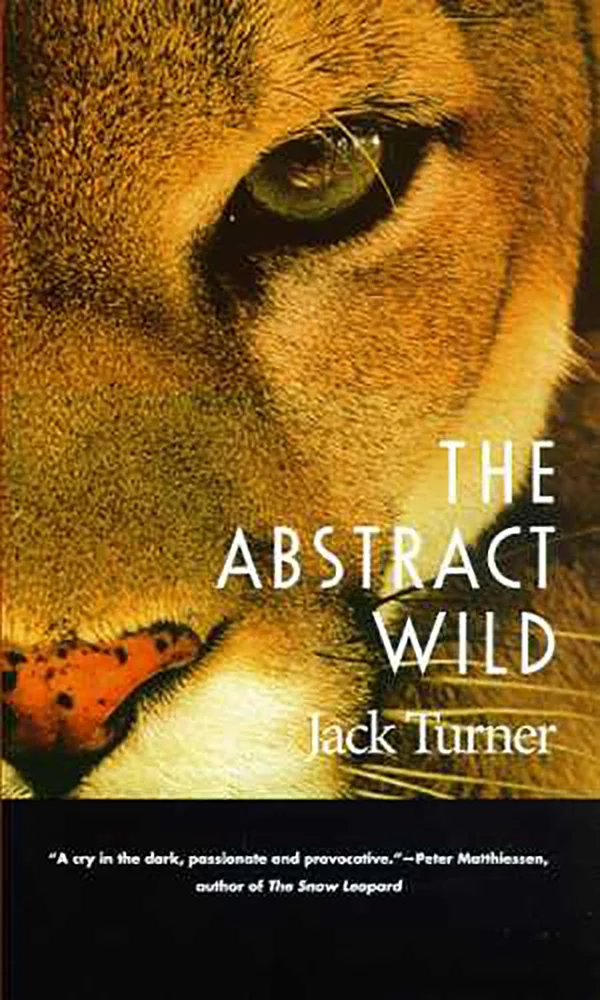
The Abstract Wild
Jack Turner
Jack Turner spent decades guiding in the Tetons and this strident book stems directly from it. His argument is that we’ve replaced actual wild experience with representations of it — nature documentaries, photographs, managed parks, permits, interpretive signs — and…
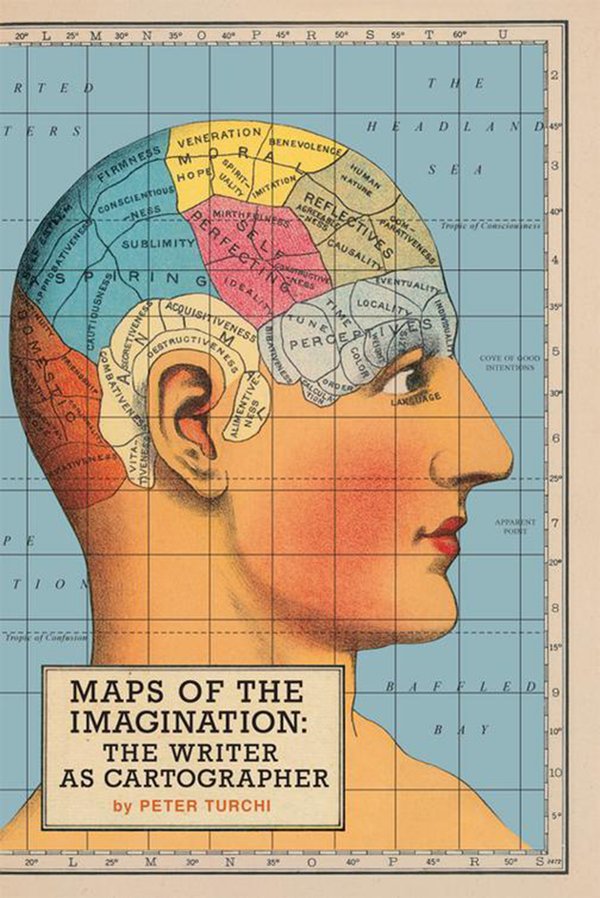
Maps of the Imagination
Peter Turchi
Peter Turchi’s premise is that a writer is a cartographer — you decide what to include, what scale to work at, where to put the edges, and how much blank space to leave for the reader. He runs his idea…
A Field Guide to Getting Lost
Rebecca Solnit
Rebecca Solnit built this out of nine essays circling a single idea, which she takes from a line she found in Plato’s Meno dialogue: How do you go looking for something when you don’t know what it is? Four of…
California Desert Trails
J. Smeaton Chase
J. Smeaton Chase was an Englishman who landed in Southern California in 1890, wandered it on horseback for thirty years, and wrote it down. This one came out in 1919, after he’d settled in Palm Springs when it was still…
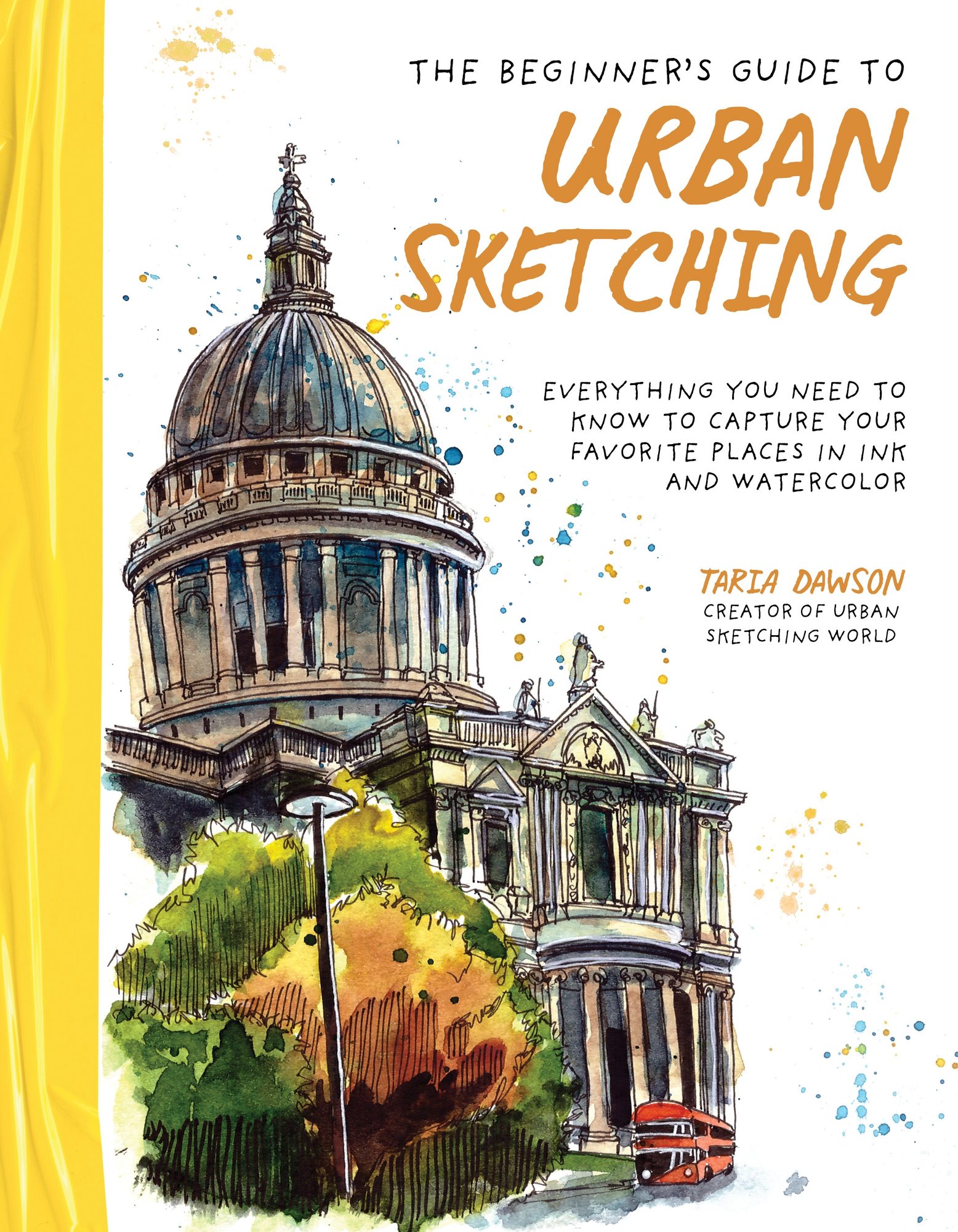
The Beginner’s Guide to Urban Sketching
Suhita Shirodkar
Shuhita Shirodkar sketches in San Jose and this is the entry point to the urban sketching handbook series, of which I have most, if not all. (I’m guilty of looking at sketching more than actually sketching). It was published about…
The Light Eaters
Zoë Schlanger
Plants can hear a caterpillar chewing and respond with defensive chemistry. They warn their neighbors. Some appear to count, some to remember, and one Chilean vine imitates the leaves of whatever it climbs, including plastic ones, with no known mechanism…

Urban Watercolor Sketching
Felix Scheinberger
This is Felix Scheinberger’s watercolor book, and it’s aimed at people who’ve been told watercolor is difficult and precious. He’s neither. It’s color theory taught quickly, a small palette, the mechanics of wet-on-wet and glazing, how to keep whites, how…

Dare to Sketch
Felix Scheinberger
Felix Scheinberger has drawn more than fifty children’s books, and he wrote this to get people over the fear of the blank page. His stance is that a sketchbook belongs to you and nobody else, so there’s no wrong way…

Mountains Without Handrails
Joseph L. Sax
Sax was a law professor, and his argument is that parks aren’t a commodity to be delivered to consumers efficiently, and that the fight over what to allow in them — helicopters, tramways, snowmobiles, developed lodges — isn’t about elitism…
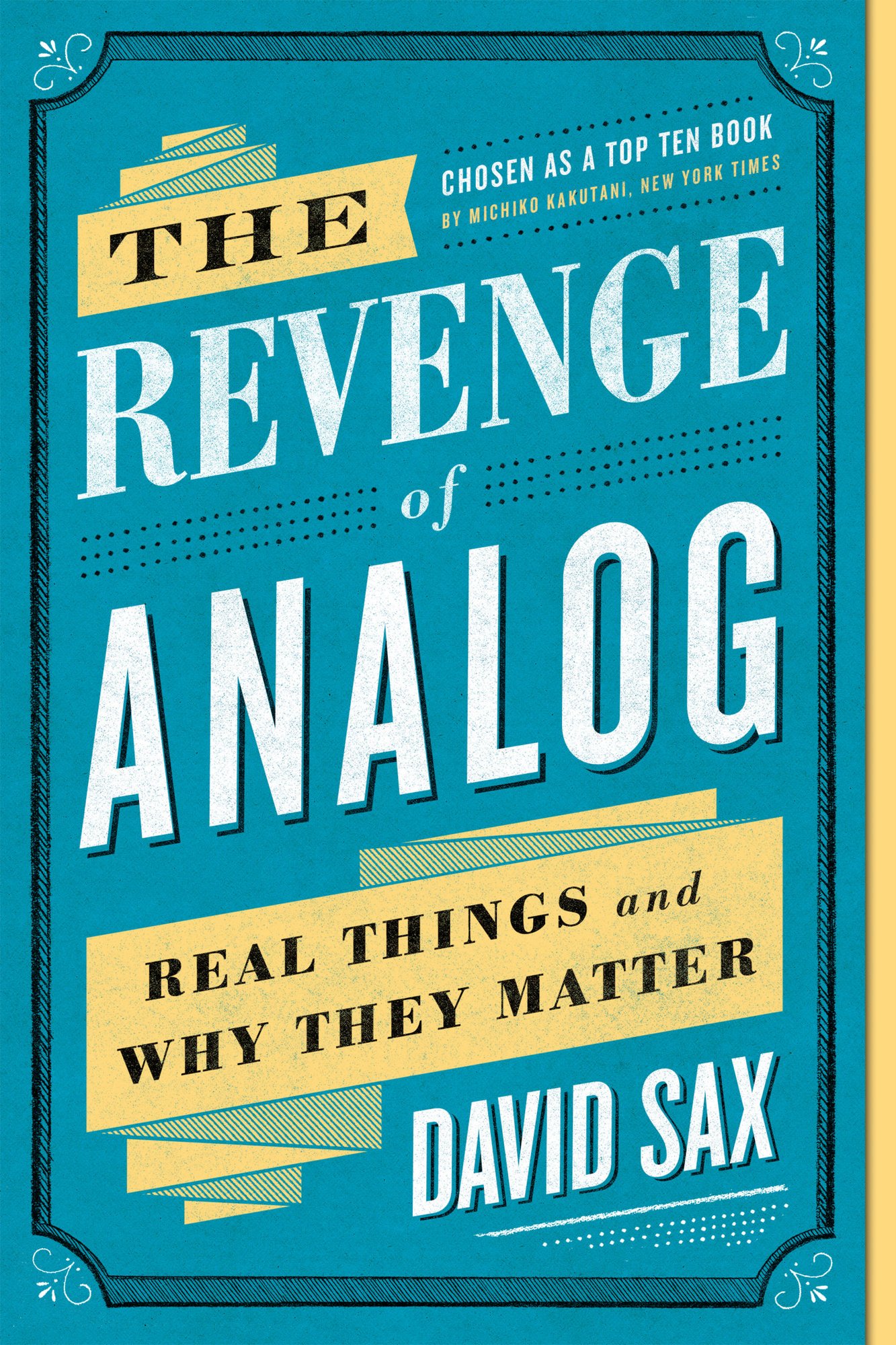
The Revenge of Analog
David Sax
David Sax noticed—in 2016, the year I launched AJ in print—that vinyl, paper notebooks, film, board games, and independent bookstores were all growing while the industries around them digitized, and he set out to find out why. It isn’t nostalgia…
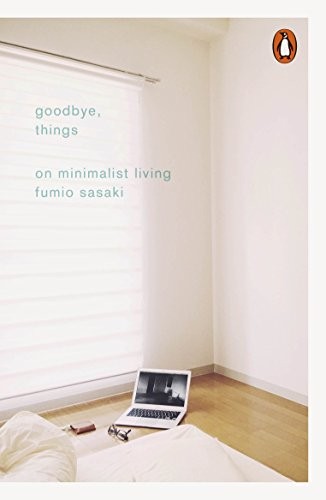
Goodbye, Things
Fumio Sasaki
Fumio Sasaki was a magazine editor in Tokyo, thirty-five, living alone in a room stacked with books, CDs, DVDs, and gear for hobbies he’d quit, comparing himself to everybody and losing at the comparison. So he spent a year getting…
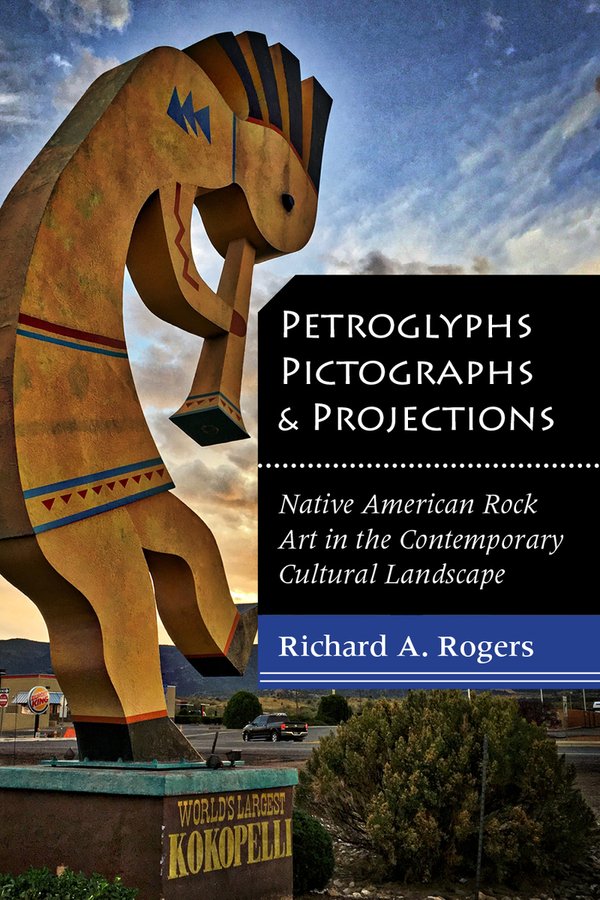
Petroglyphs, Pictographs, and Projections
Richard A. Rogers
Richard Rogers is a communication scholar, and his subject isn’t what rock art meant but how we keep using it: The visitor centers, guidebooks, New Age tours, corporate logos, and the shaman theory all get examined as acts of appropriation…
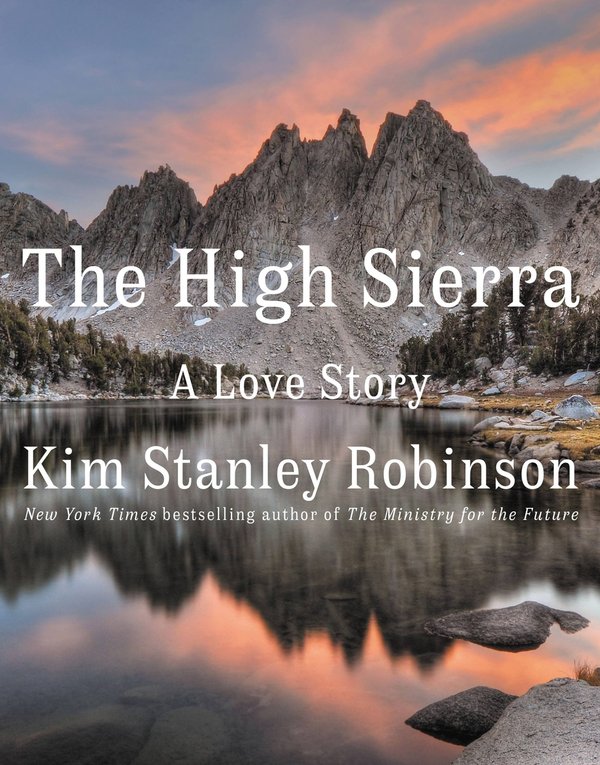
The High Sierra
Kim Stanley Robinson
Kim Stanley Robinson has been hiking the Sierra Nevada since 1973 and has done something like a hundred trips, and this is the gist of what he knows about it in one enormous, wandering book. Route descriptions and gear lists…
The Bears Ears
David Roberts
For thirty years, David Roberts made annual pilgrimages from his home in Massachusetts to Four Corners canyon country, land he loved passionately. The last time we almost crossed paths in person, he was renting a house in Bluff and I…

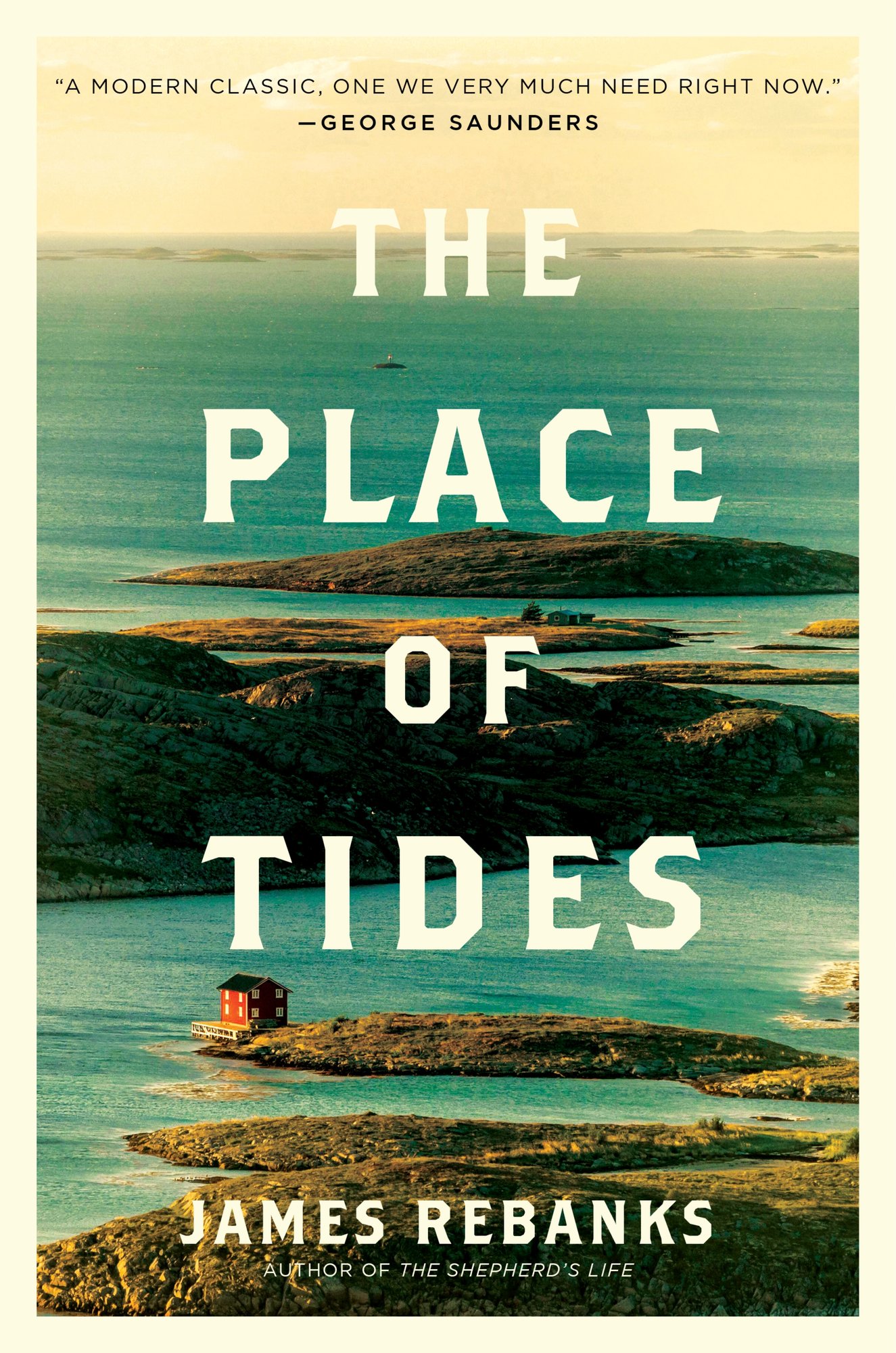
Place of Tides
James Rebanks
James Rebanks, the Lake District shepherd who wrote The Shepherd’s Life, went to a bare island off the coast of northern Norway for a season to work with a woman named Anna in her seventies — one of the…