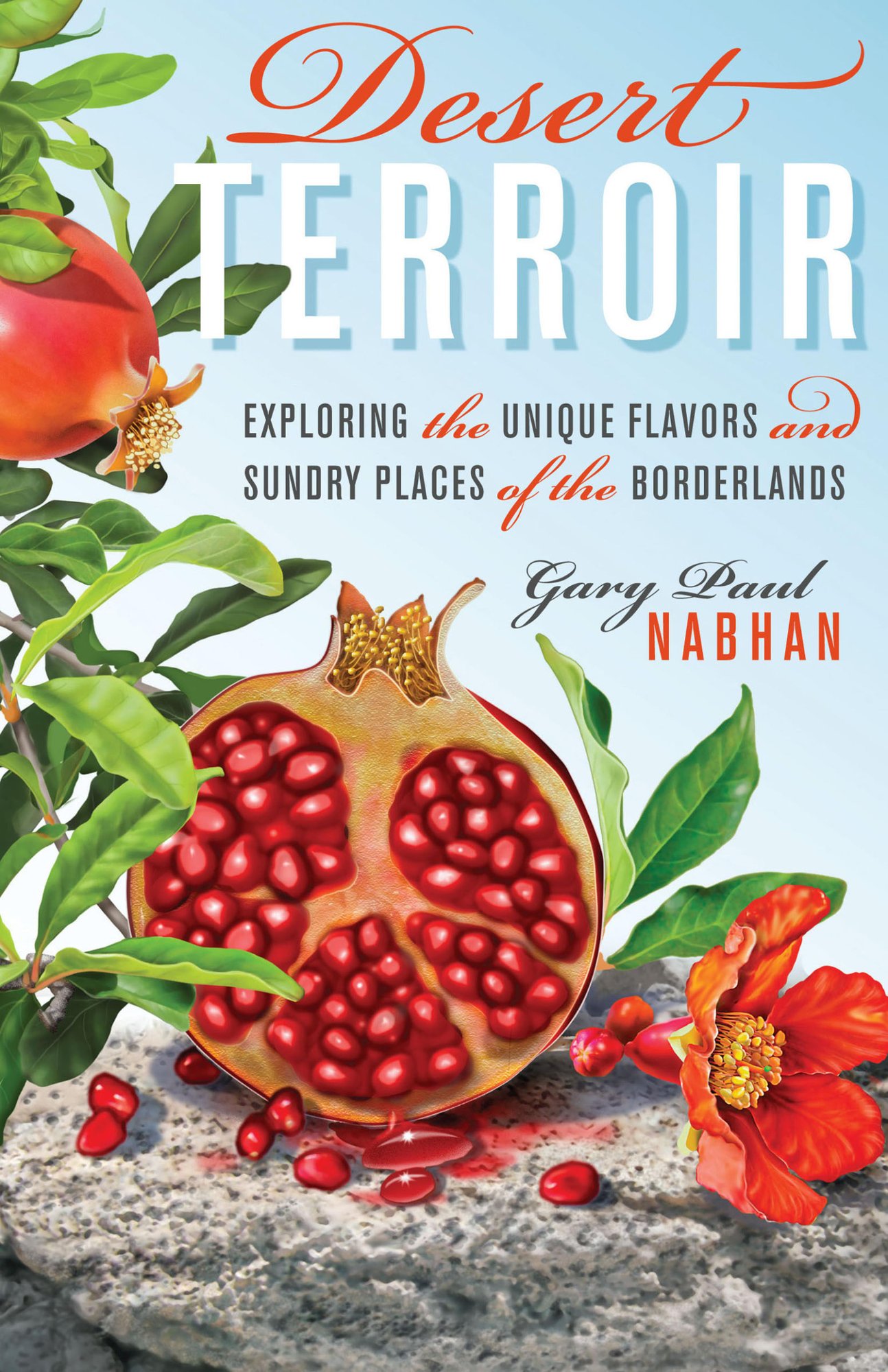
Desert Terroir
Gary Nabhan
Terroir is the wine world’s word for the way a place ends up in the glass — soil, sun, wind, water. Nabhan takes it out of Burgundy and drops it on the Arizona-Sonora border, where he’s spent his life. Mexican…
By Stephen Casimiro
All books / Reads like
MY REVIEWS / 74
Gary Nabhan
Terroir is the wine world’s word for the way a place ends up in the glass — soil, sun, wind, water. Nabhan takes it out of Burgundy and drops it on the Arizona-Sonora border, where he’s spent his life. Mexican…
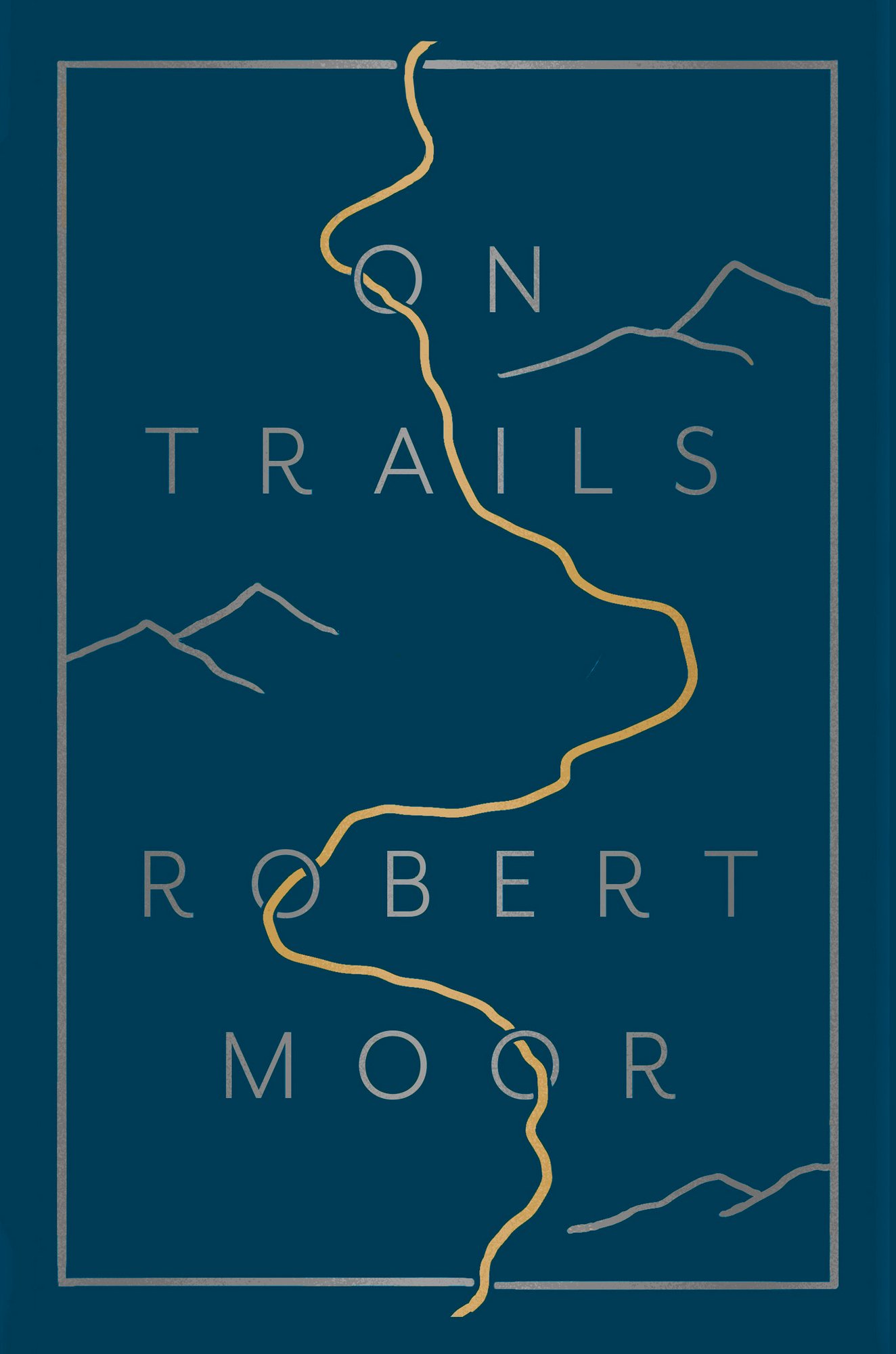
Robert Moor
Robert Moor thru-hiked the Appalachian Trail and spent the next several years asking what a trail actually is. The book takes him from fossil traces of the first creatures to move on a seafloor, to ants laying pheromone lines and…
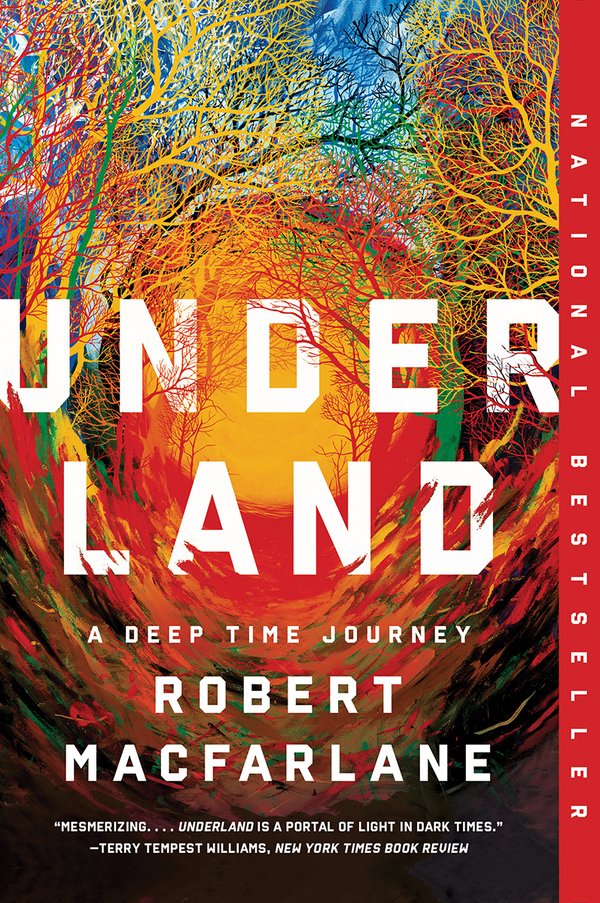
Robert Macfarlane
Rob Mac tackles what’s underfoot, in three parts: what we shelter, what we yield, what we dispose of. He peers into a dark matter lab under a Yorkshire hill, the wood wide web and fungal networks trading sugar between trees…
Joseph Wood Krutch
Joseph Wood Krutch was a New York drama critic and Thoreau scholar who moved to Tucson in his fifties and became one of the great desert writers. This is his naturalist’s year: The spadefoot toad that waits underground for the…
Edmund C. Jaeger
In 1946, Edmund Jaeger was poking around a canyon in the Chuckwalla Mountains when he found a poorwill wedged in a rock crevice, cold and unresponsive, and it stayed that way for weeks. Nobody thought birds could hibernate. He went…

Ryan Huling
The premise is a line from American naturalist Henry Beston: Animals aren’t underlings, they’re other nations. Ryan Huling takes it literally and spends a year mapping their territories, from Canada’s beaver belt to the tunnel complexes of sub-Saharan mole-rats, prairie…
James L. Gould; Carol Grant Gould
Animals have amazing powers of navigation and we still can’t fully explain how. The authors take an expedition through the examples, like bees using polarized light and dancing to give directions, monarch butterflies three generations removed still finding their way…
Peter Godfrey-Smith
Our last common ancestor with an octopus was a flattened worm about six hundred million years back, which makes them the closest thing to meeting an intelligent alien on this planet. Peter Godfrey-Smith is a philosopher and a scuba diver…
Peter Godfrey-Smith
Peter Godfrey-Smith’s Other Minds centered on the octopus; this book is everybody else. He climbs up the animal tree looking for where subjective experience begins. There are sponges with no neurons at all, then corals, then a shrimp that stuns…
Rebecca Giggs
Rebecca Giggs helped push a beached humpback back into the water off a Perth beach. It came back and she stood with the crowd while it died. What stayed with her was the question, what happens to a whale that…

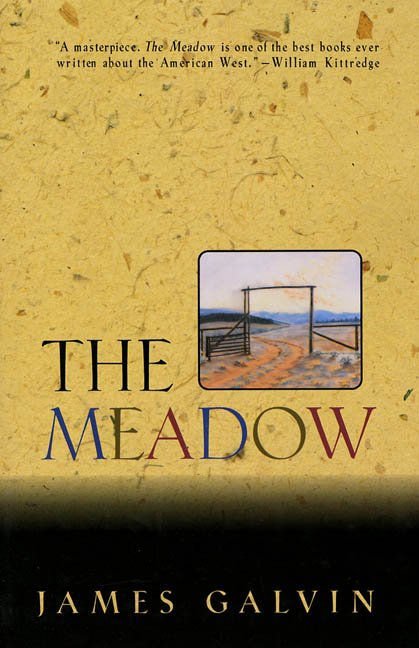
James Galvin
This is a hundred years of one meadow on the Wyoming-Colorado line, at ten thousand feet, told out of order. Author James Galvin owned part of the meadow and knew the people who worked it, chiefly Lyle Van Waning, a…
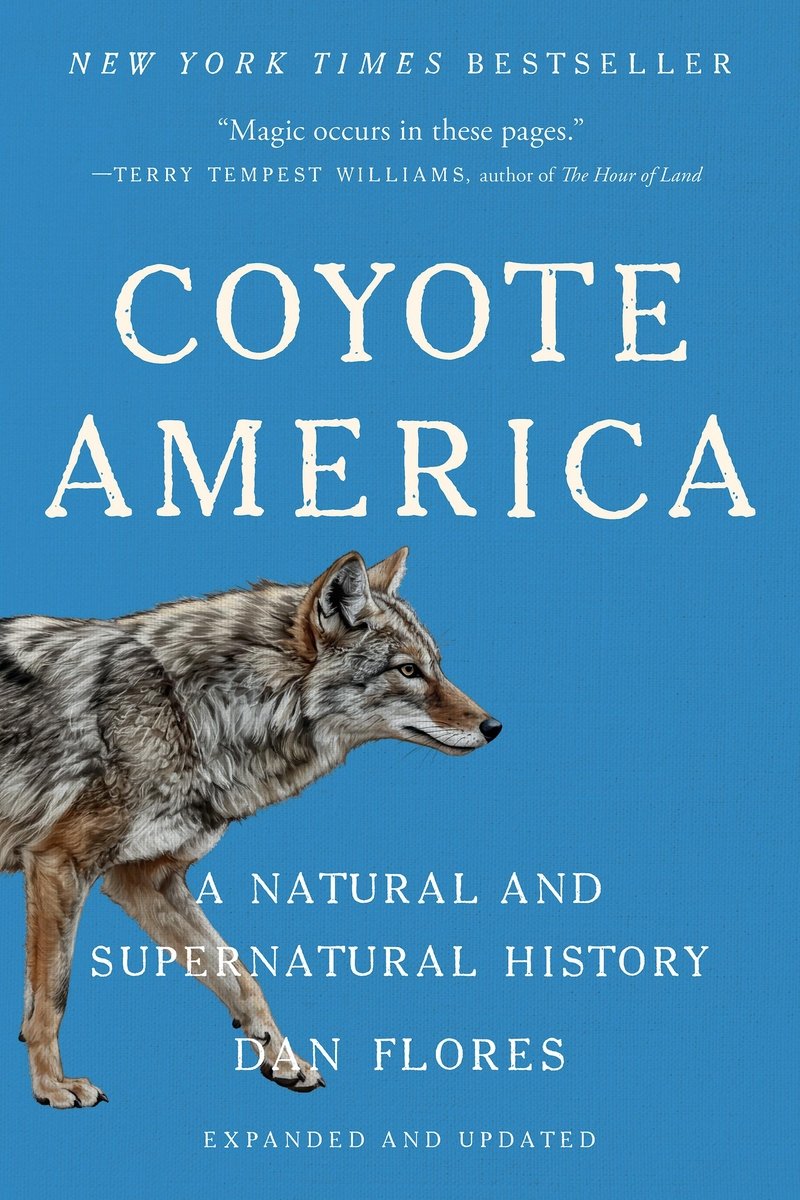
Dan Flores
Wolves got wiped out of the Lower 48. Coyotes got the same treatment — bounties, poison, a federal agency that killed millions of them for the better part of a century — and instead of dying off they spread into…
Robert Finch
Robert Finch wrote about Cape Cod for forty years, then started spending summers in a Newfoundland outport called Burnside — known locally as Squid Tickle — population under two hundred, on Bonavista Bay. The book is the accumulation of those…

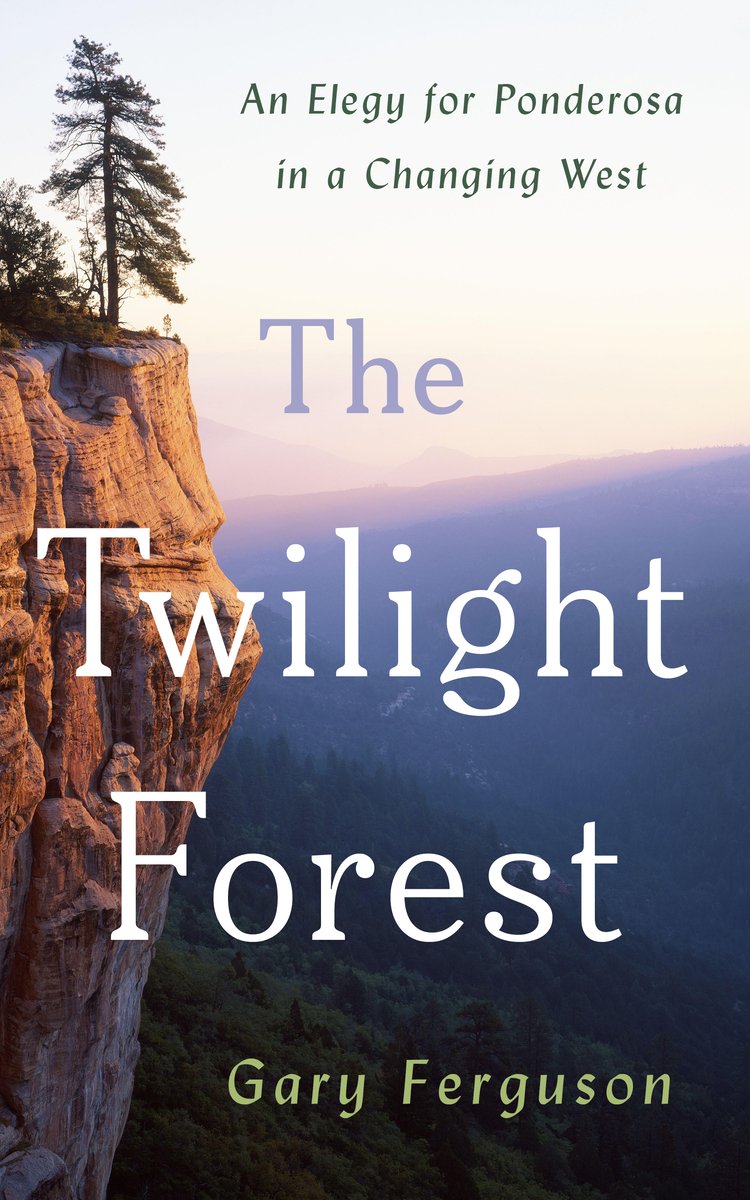
Gary Ferguson
Ponderosa is the tree that makes the Southwest the Southwest — cinnamon bark, high open groves you can ride a horse through, vanilla smell in the sun. In the last decade, from Santa Fe to the Sierra, more than two…
David Darlington
David Darlington spent years driving and walking the Mojave in the years around the fight over the California Desert Protection Act, and the book is built out of the people who live there and can’t agree on anything. Miners who…

Raymond B. Cowles
Raymond Cowles grew up in South Africa, studied at UCLA, and more or less invented the study of how cold-blooded animals manage their own body heat — the reason we know a lizard moves between sun and shade to hold…
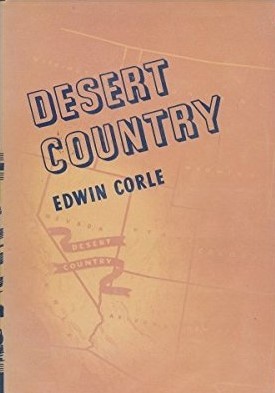
Edwin Corle
Erskine Caldwell got the idea for a series of books about American regions after coming home from covering the German invasion of Russia, and this was the first one out, in 1941. Edwin Corle got the desert — Nevada, Arizona…
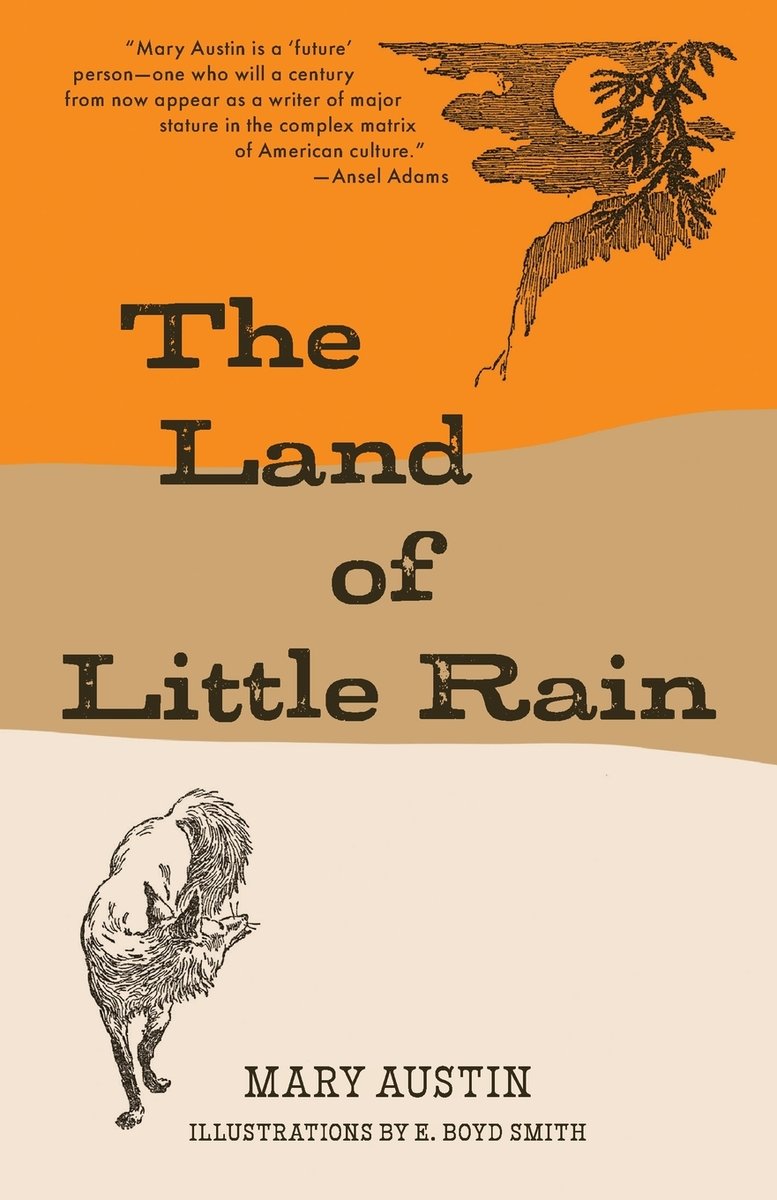
Mary Austin
Mary Austin published this in 1903, after years living in the Owens Valley between the Sierra and Death Valley, and it’s one of the books that first taught American writers how to look at the desert. It’s built on short…
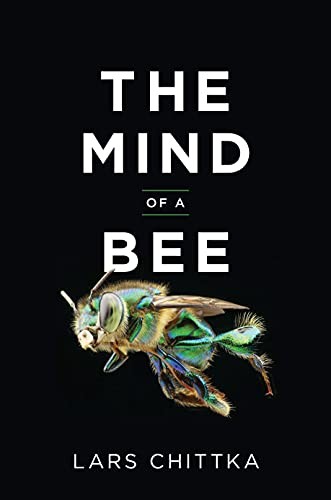
Lars Chittka
Lars Chittka has spent his career designing experiments for bees, with astounding results. Bees count. They recognize human faces. They learn to roll a ball into a goal for a sugar reward by watching another bee do it, then improve…
Jennifer Ackerman
Owls are hard to study — night, silence, no interest in being watched — so most of what people believed about them was folklore. Jennifer Ackerman travels with the researchers finally cracking the code. Owl feathers have a comb on…

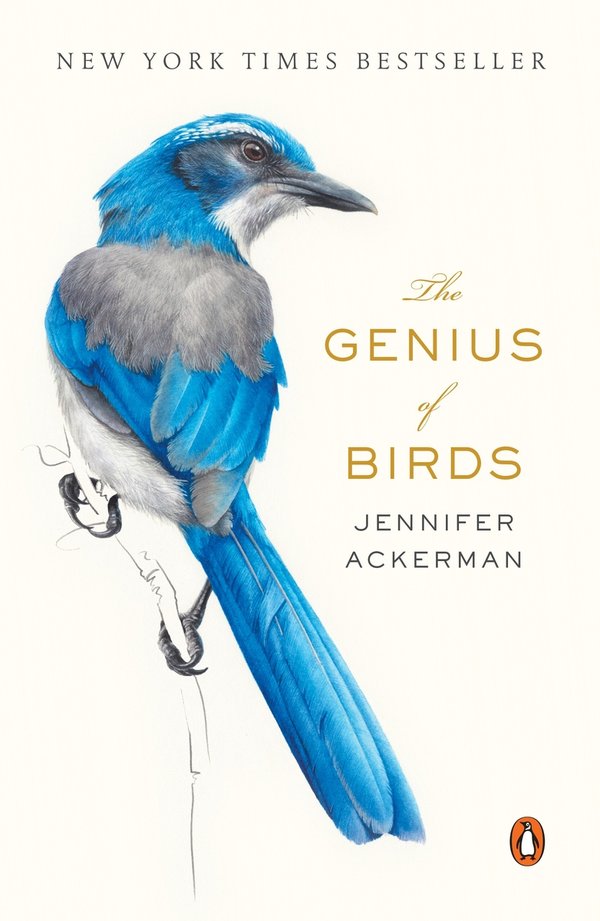
Jennifer Ackerman
Birdbrain is a slur for which we should apologize to our feathered friends. Jennifer Ackerman goes out with researchers and learns the incredible feats birds pull off. New Caledonian crows manufacture hooked tools out of twigs and keep the good…
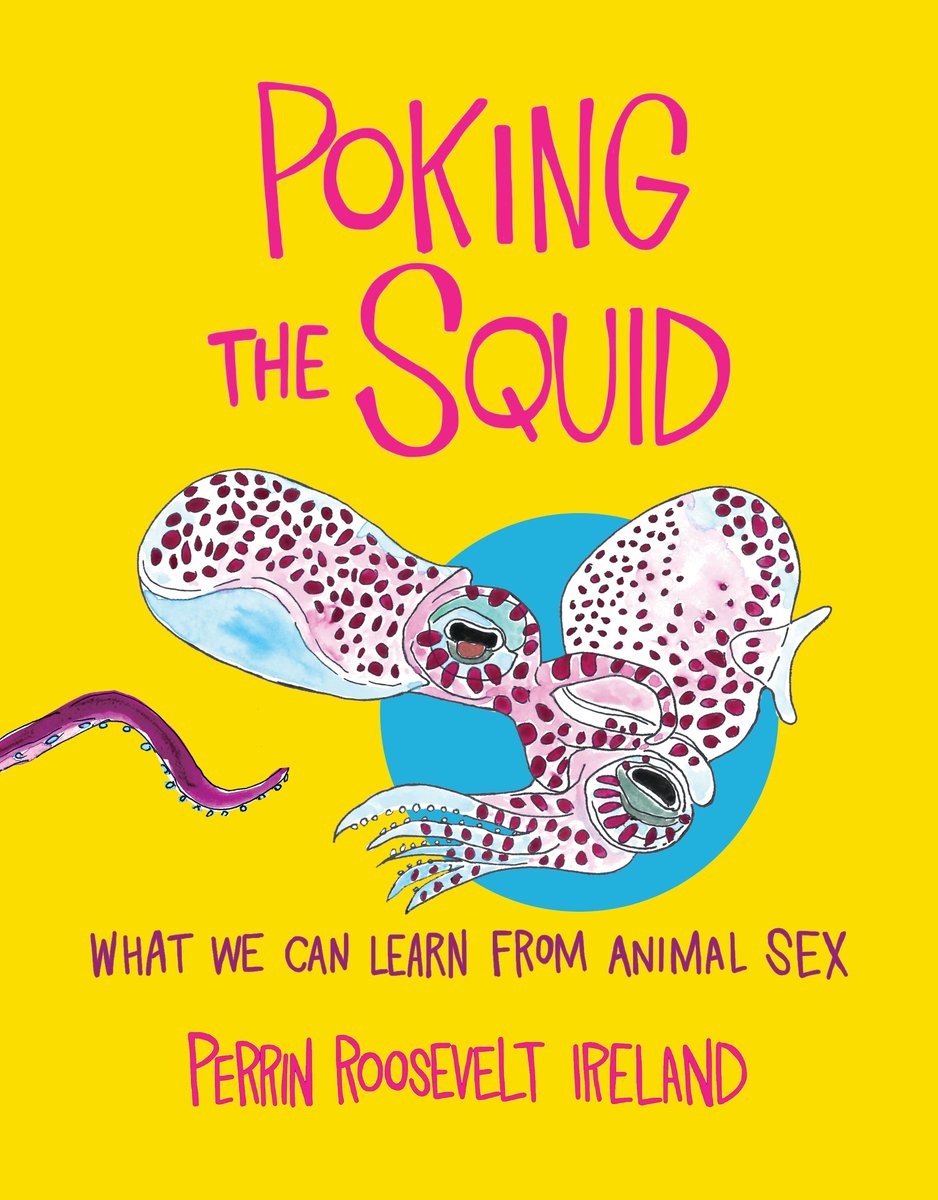
Perrin Roosevelt Ireland
Sex sells, even animal sex, and Perrin Roosevelt Ireland has made a career as a science educator by focusing on the squirts, wriggles, and wee thumps of the faunal world. Known on social media for her short dispatches on creature…
Chloe Dalton
Chloe Dalton was a foreign policy adviser in the British government, stranded at a country house during lockdown, when she found a newborn leveret alone on a track. Hares aren’t domesticable — they’ve rarely been tamed, they die of stress…

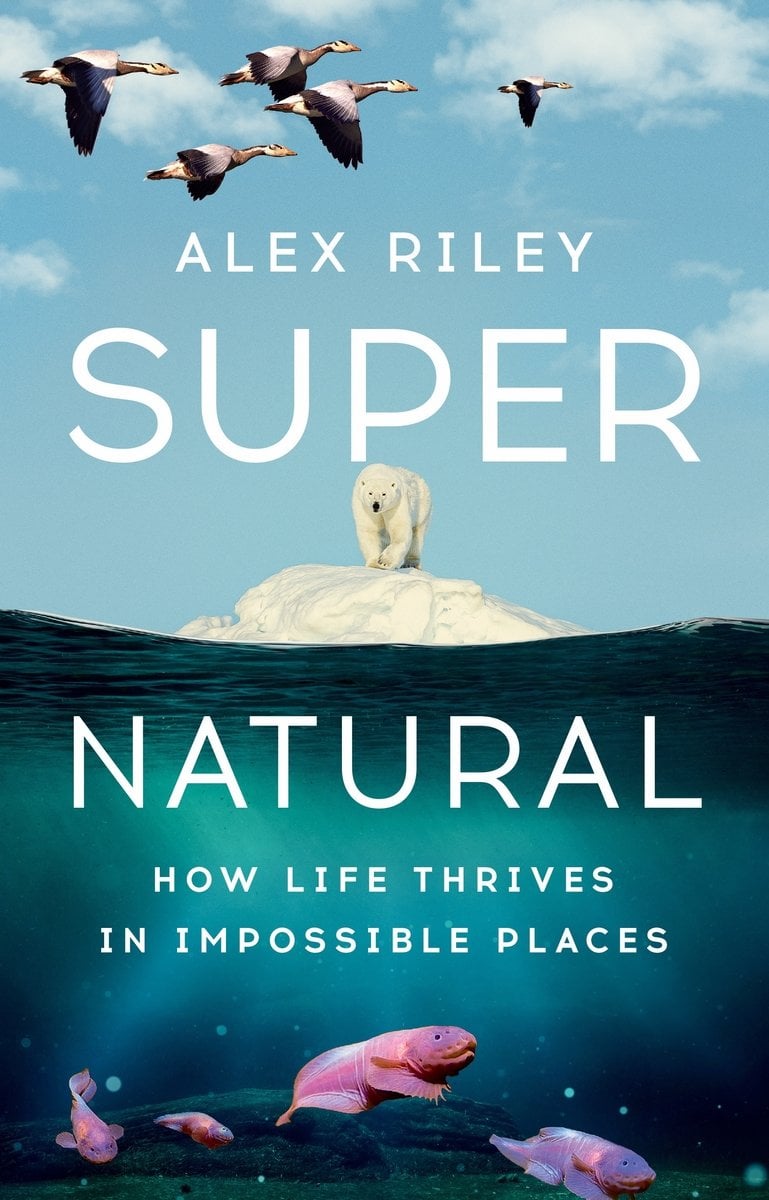
Alex Riley
Some critters will go a long way for a little privacy. Ten years after the Chernobyl nuclear accident, thirty-seven forms of fungi were found growing inside the abandoned reactor, some of them thriving; this led microbiologist Nelli Zhdanova and colleagues…
Field Notes from a Very Cool World.
Generally monthly. I hope the title says it all.