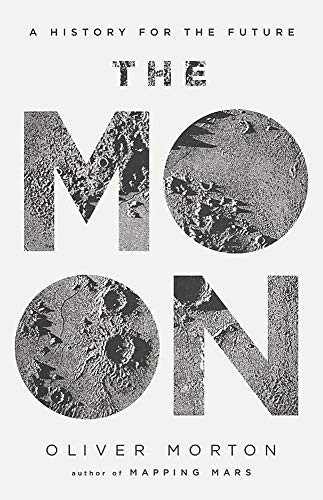
The Moon
Oliver Morton
Oliver Morton is a science writer and this is the moon from every angle at once: how it formed and why that mattered for life here, what Apollo was as a political project, the geology of a dead world and…
By Stephen Casimiro
All books / Reads like
MY REVIEWS / 69
Oliver Morton
Oliver Morton is a science writer and this is the moon from every angle at once: how it formed and why that mattered for life here, what Apollo was as a political project, the geology of a dead world and…
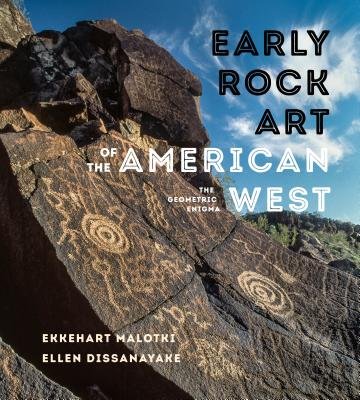
Ekkehart Malotki
Almost everybody looking at rock art goes hunting for the pictures — the sheep, the hunters, the spirals with a story attached. (It’s the reason I drive past Mojave scratches to get to Colorado Plateau galleries.) Malotki and Dissanayake point…
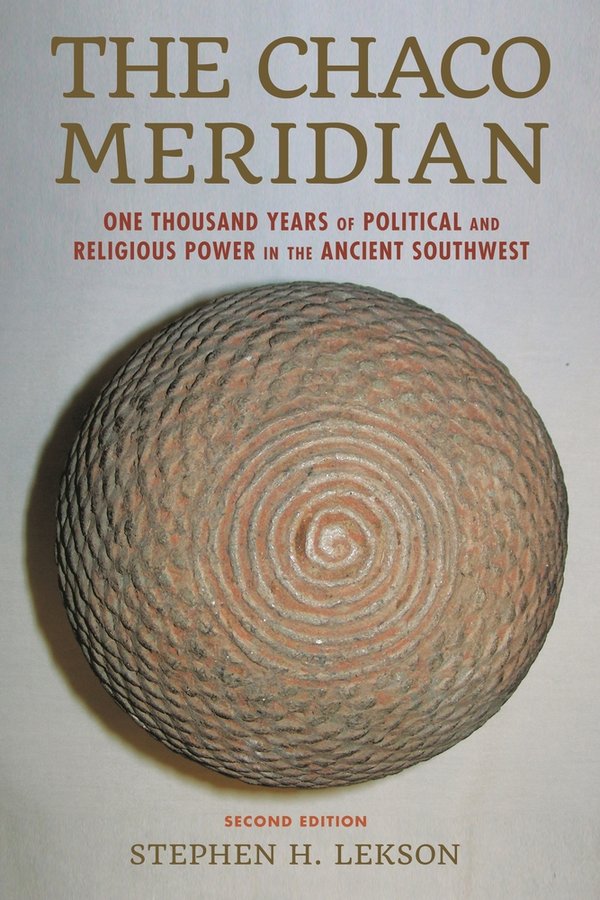
Stephen Lekson
Archaeologist Stephen Lekson noticed that Chaco Canyon, Aztec Ruins, and Paquimé in Chihuahua sit within a few minutes of longitude of one another, hundreds of miles apart, and built at different times over four centuries. His premise is it was…
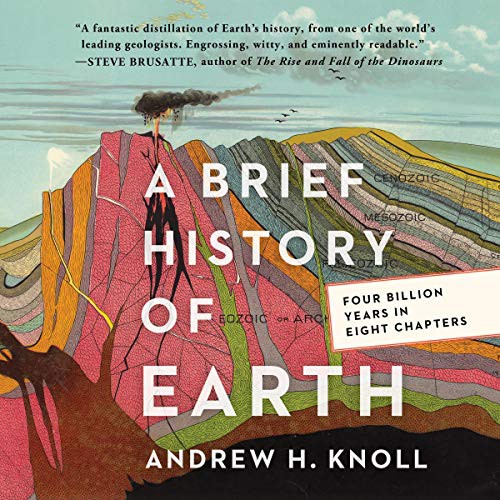
Andrew H. Knoll
I can’t read much deep-time earth-geology stuff before it puts me to sleep. I read this. Andrew Knoll is a Harvard paleontologist who built his career studying the Precambrian, those three billion years of microbial life that came before dinos…
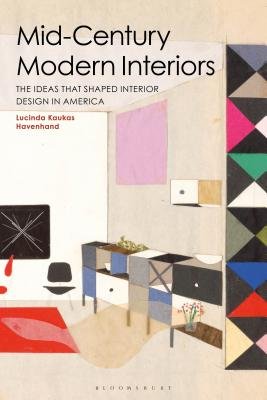
Lucinda Kaukas Havenhand
This is a history of American design between roughly 1940 and 1970, and it’s about interiors rather than the famous chairs. Author Lucinda Havenhand covers the designers who shaped how rooms looked and worked — Florence Knoll, Ray Eames, Alexander…
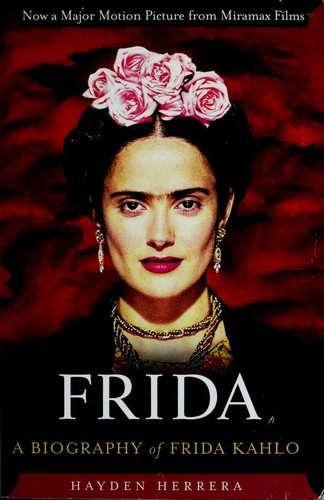
Hayden Herrera
Hayden Herrera published this in 1983, when Kahlo was still mostly considered Diego Rivera’s wife, and it’s the book that helped end that and elevate her as an artist on her own terms. She goes back to the blue house…
Yuval Noah Harari
This is the whole span of the species in one volume, organized around three revolutions: cognitive, agricultural, scientific. Yuval Noah Harari’s central move is that what let us take over wasn’t intelligence exactly but the ability to believe in things…

David Graeber
The standard story of human civilization development argues we went from small egalitarian bands, to farming, to cities, and then inevitable hierarchy and the state. Graeber, an anthropologist, and Wengrow, an archaeologist, spent ten years arguing that’s baloney. Evidence shows…
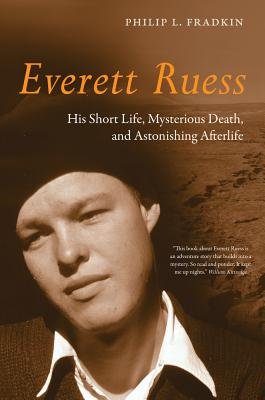
Philip L. Fradkin
In November 1934, a twenty-year-old kid from Los Angeles rode two burros into Davis Gulch on the Escalante and never came out. The burros were found penned in the canyon. He wasn’t. He’d been wandering the Southwest since he was…
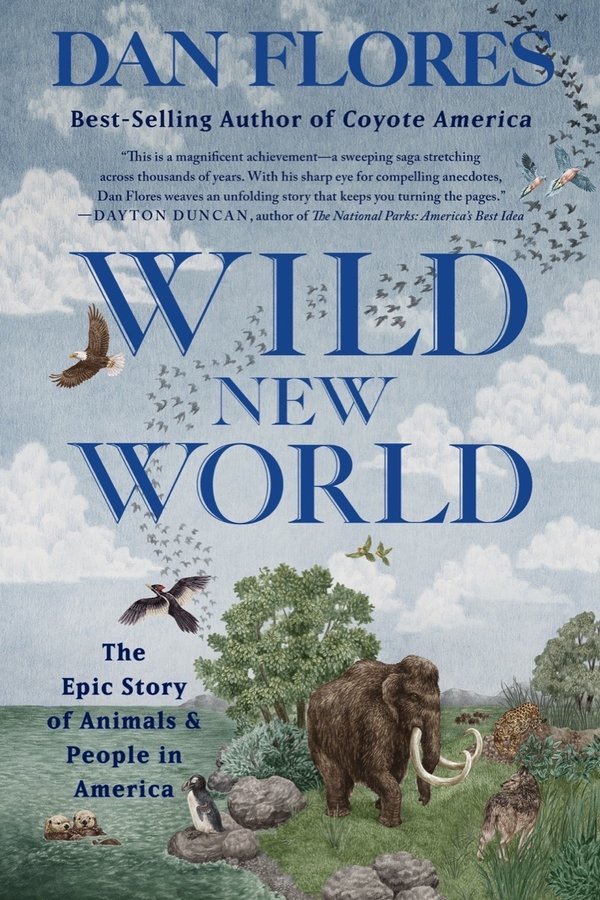
Dan Flores
This is sixty-six million years of American animals in one book. Flores starts after the asteroid that killed the dinos and works forward — the strange menagerie that evolved, then the arrival of humans and the extinction of mammoths, horses…
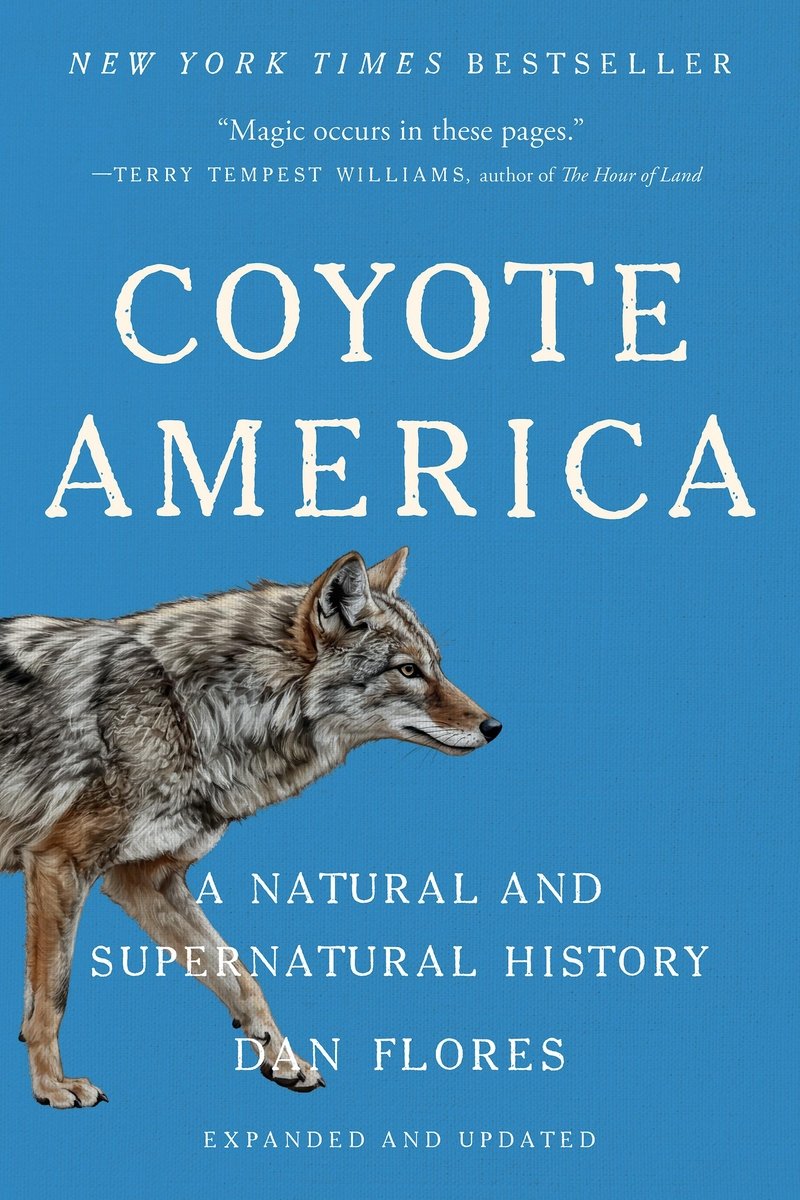
Dan Flores
Wolves got wiped out of the Lower 48. Coyotes got the same treatment — bounties, poison, a federal agency that killed millions of them for the better part of a century — and instead of dying off they spread into…
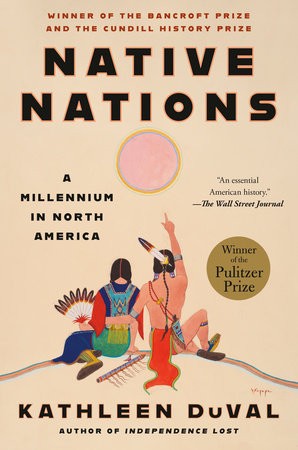
Kathleen DuVal
This is a thousand years of Native North America told as the history of powerful nations rather than as a prelude to colonization. Author Kathleen DuVal opens at Cahokia, the city on the Mississippi bigger than London at the time…
David Darlington
David Darlington spent years driving and walking the Mojave in the years around the fight over the California Desert Protection Act, and the book is built out of the people who live there and can’t agree on anything. Miners who…

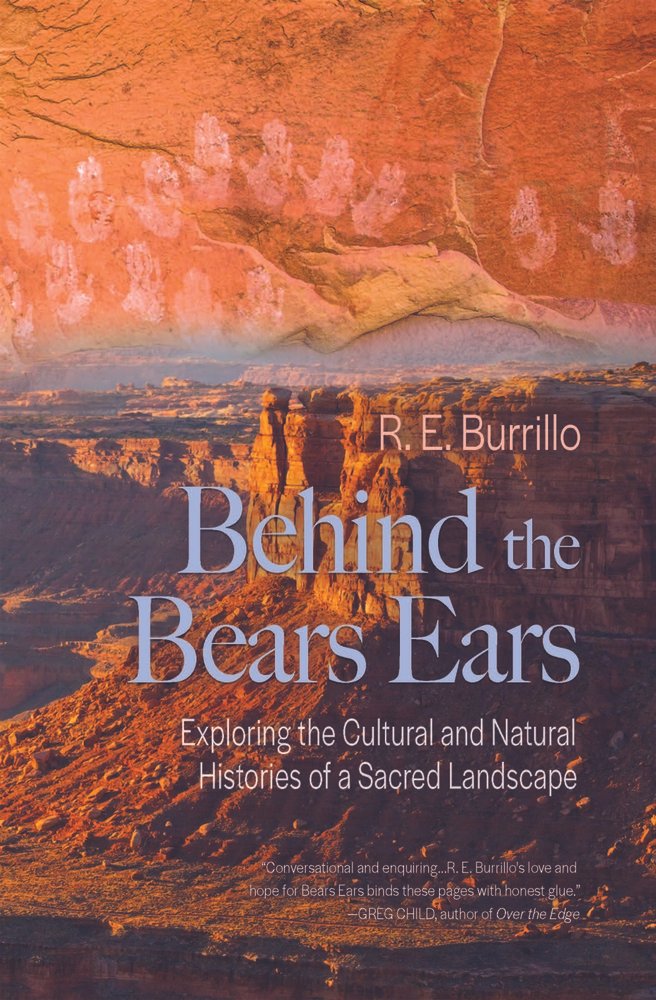
R.E. Burrillo
R.E. Burrillo took the long way to Cedar Mesa, through upstate New York, then New Orleans tending bar for five years trying to be a writer, then seasonal work in Glacier National Park and two summers on the North Rim…
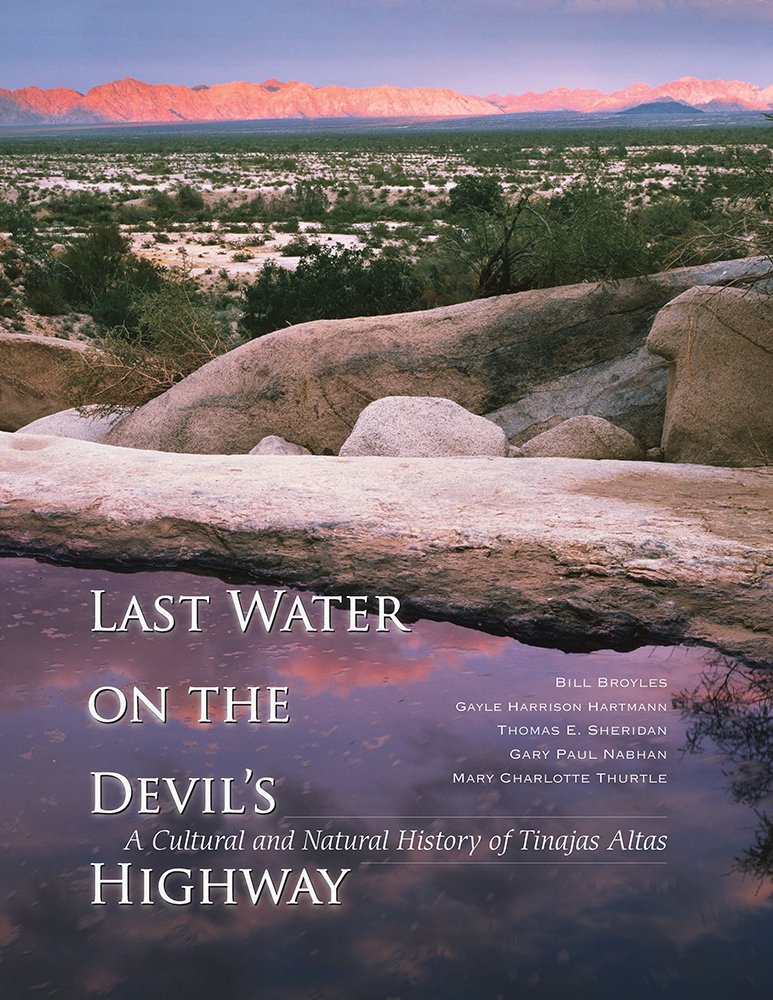
Bill Broyles
El Camino del Diablo runs across the driest corner of the Sonoran Desert and for centuries the only reliable water on it was Tinajas Altas — a stack of natural rock basins in a granite ravine, filled by the rare…
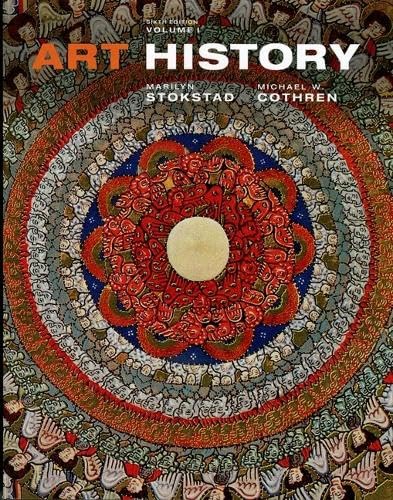
Marilyn Stokstad and Michael W. Cothren
Marilyn Stokstad wrote the first edition of Art History in the nineties at the University of Kansas, doing something the old textbooks hadn’t: She quit treating art history as a straight line from Greece to Paris and covered Asia, Africa…
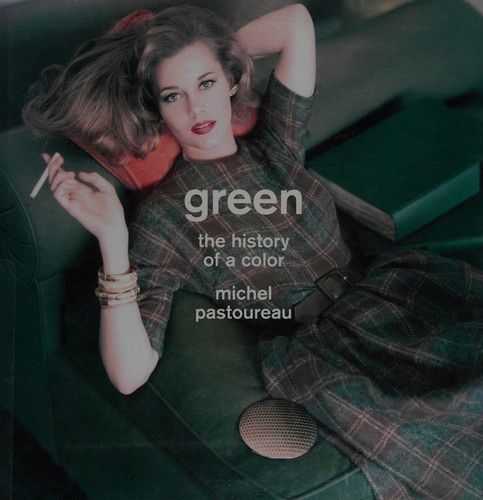
Michel Pastoureau
The color green was hard for artists and makers to create and harder to keep. The dye wouldn’t hold — it faded, it shifted, it wouldn’t sit still on cloth — and medieval guilds kept the blue dyers and the…
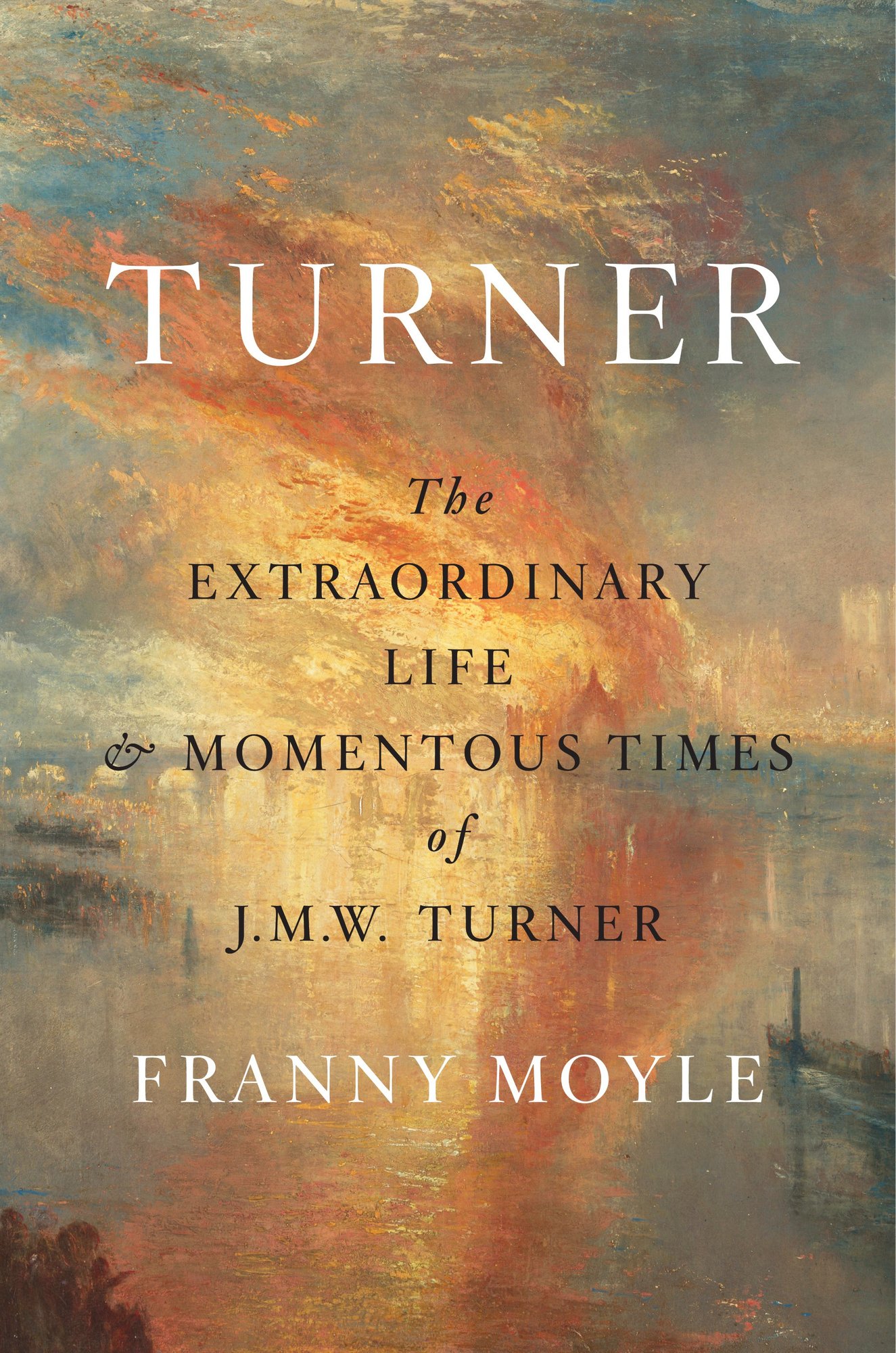
Franny Moyle
J.M.W. Turner was the son of a Covent Garden barber, sold his first drawings out of the shop window, got into the Royal Academy at fourteen, and became the most radical painter in England — and stayed a rough, secretive…
Martin Hogue
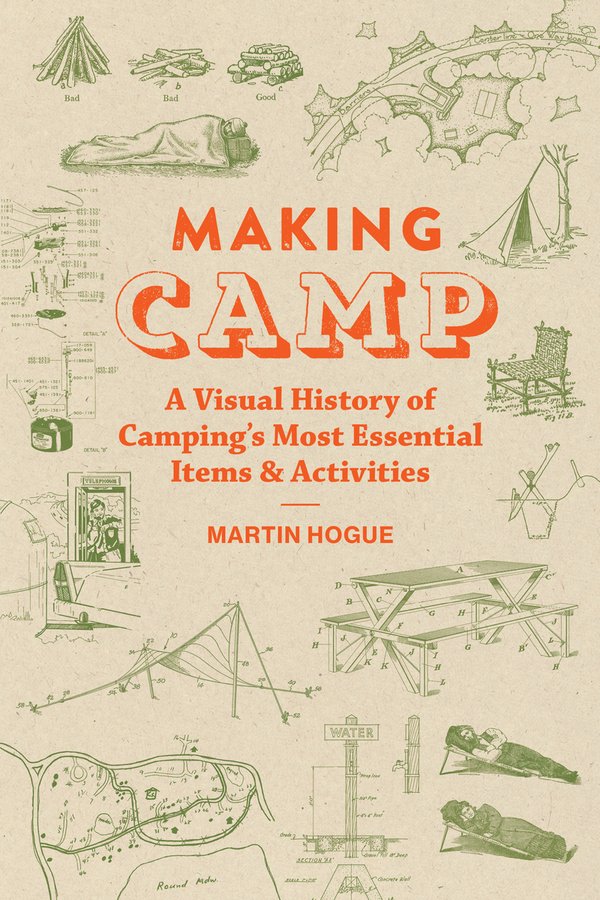
Martin Hogue teaches landscape architecture and looks at camping the way an architect looks at a building — as a designed system nobody really notices. The campsite with its numbered post, fire ring, picnic table, and parking spur is an…
Linda S. Cordell and Maxine McBrinn
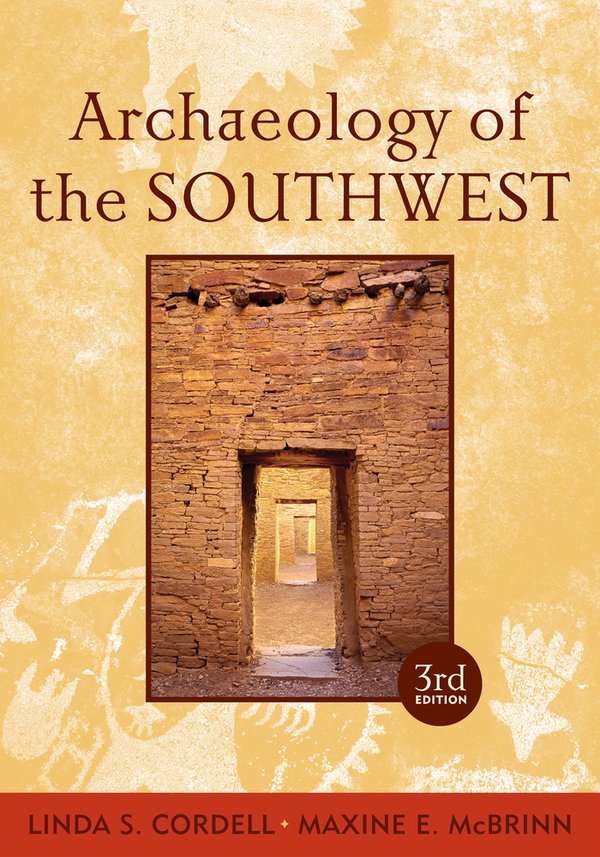
If you get serious about Southwest archaeology, this book will probably end up on your shelf (the third edition from 2012 is the current one). It runs the whole enchilada: What the country’s like, who’s been living in it and…
Kassia Saint Clair
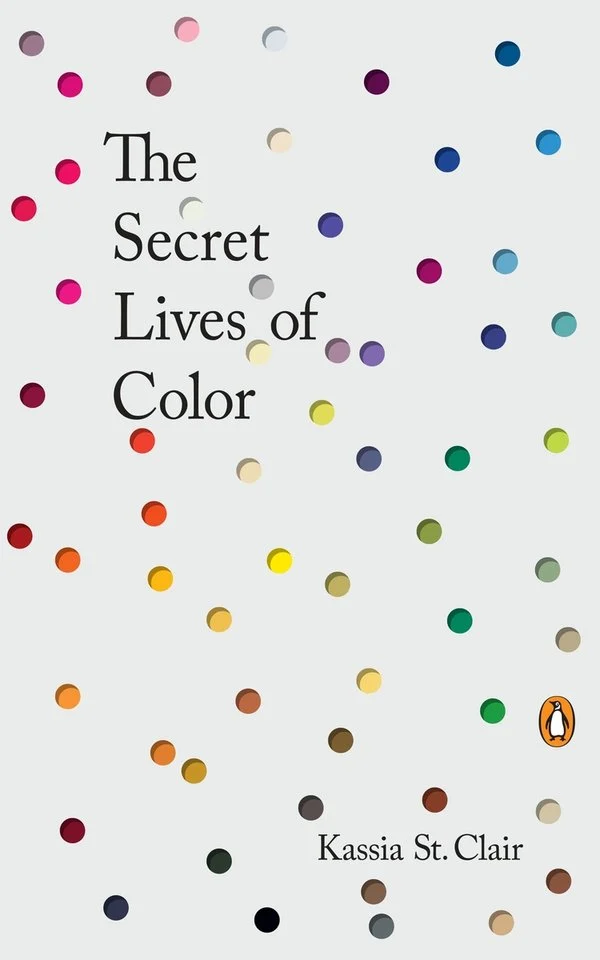
Here are seventy-five colors, two or three pages each, and every one has a story with a twist. Mummy brown was made from actual ground-up mummies, and Victorian painters kept buying it until they found out. Scheele’s green was arsenic…
Robert G. Bednarik
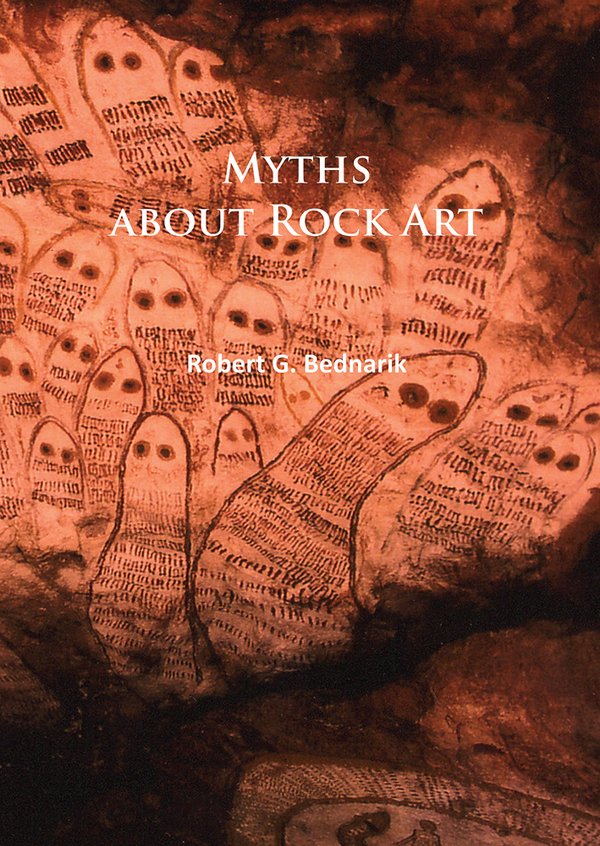
Robert Bednarik is a self-taught Australian researcher with more than a thousand papers and no formal degree, and he’s spent his career telling the rock art field it’s making things up. This is his catalog shooting down natural cracks and…
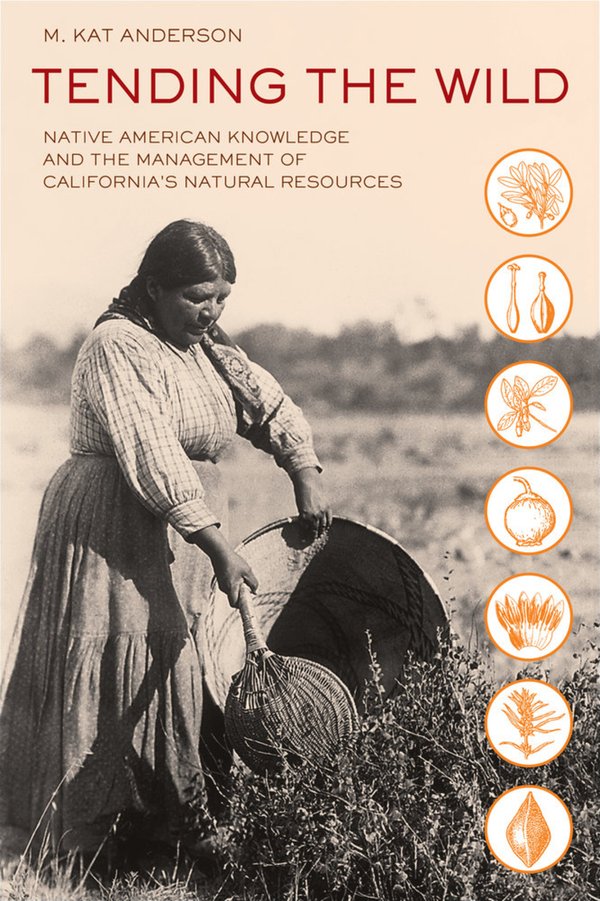
M. Kat Anderson
The California the Spanish and then the Americans walked into looked like untouched abundance, and Anderson’s book shows it was a garden. Indigenous Californians burned meadows on schedule, coppiced hazel and redbud so the shoots would come back straight enough…
Roland Allen
A history of the blank book, and it’s better than that sounds. Allen starts in medieval Italy, where merchants worked out double-entry bookkeeping and needed something to keep it in, and paper had just gotten cheap enough. From there the…

Field Notes from a Very Cool World.
Generally monthly. I hope the title says it all.